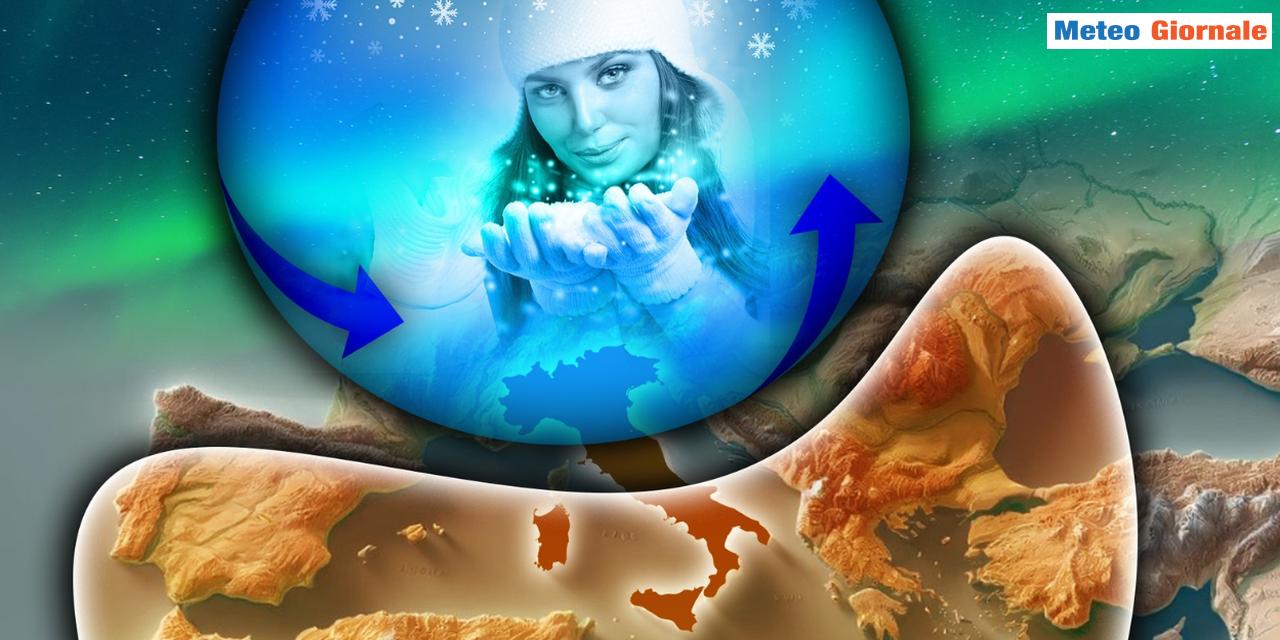
The weather in January will be literally disrupted by the Polar Vortex.
But what are we talking about? In short, it is a cyclonic structure that dominates the Arctic area, playing a crucial role in winter atmospheric maneuvers over Europe and, in particular, Italy. This vast Low Pressure circulation envelops the cold air present over the polar cap, allowing or preventing the arrival of icy air masses at lower latitudes.
The Dynamics
The behavior of the Polar Vortex, of course, varies greatly.
When it is compact and well-structured, the icy air remains confined to the Arctic regions, maintaining milder temperatures at mid-latitudes, including Italy, being engulfed by High Pressure.
Conversely, in situations of weakness or fragmentation of the vortex, the cold air moves southward, causing sudden weather upheavals, with cold waves on our territory. A phenomenon closely connected to these variations is Stratwarming, a sudden warming of the Arctic stratosphere. This event can destabilize the Vortex, generating significant changes in atmospheric patterns on a global scale.
Trends for January
Attention for the weather in January 2025 is focused on the sudden changes affecting the Arctic Ocean area.
The drop in temperatures in this region is favoring the formation of a core of extremely cold air, essential for the consolidation of the stratospheric polar vortex. Meanwhile, the intense snowfall observed in Siberia contributes to further cooling one of the areas that represent the main source of icy air masses directed towards Europe.
This combination of factors could herald a colder winter season compared to past years.
Stratwarming: Let’s Play the Card
A significant thermal anomaly could occur at the North Pole, leading to a Stratwarming event capable of compromising the stability of the Polar Vortex.
But pay close attention: it is important to note that the effects of such warming in the stratosphere do not manifest immediately at ground level.
Generally, the consequences become noticeable after about two or three weeks and are not necessarily over our heads. This time lag implies that any repercussions on the weather will be felt only around mid-January here.
Events of this type, in the past, have caused cold air intrusions towards Central Europe and, subsequently, Italy, with extremely unstable atmospheric conditions.
Possible Trends of Cold and Snowfall
If the evolution of the vortex results in a weakening, it is plausible to expect significant incursions of cold air towards Italy.
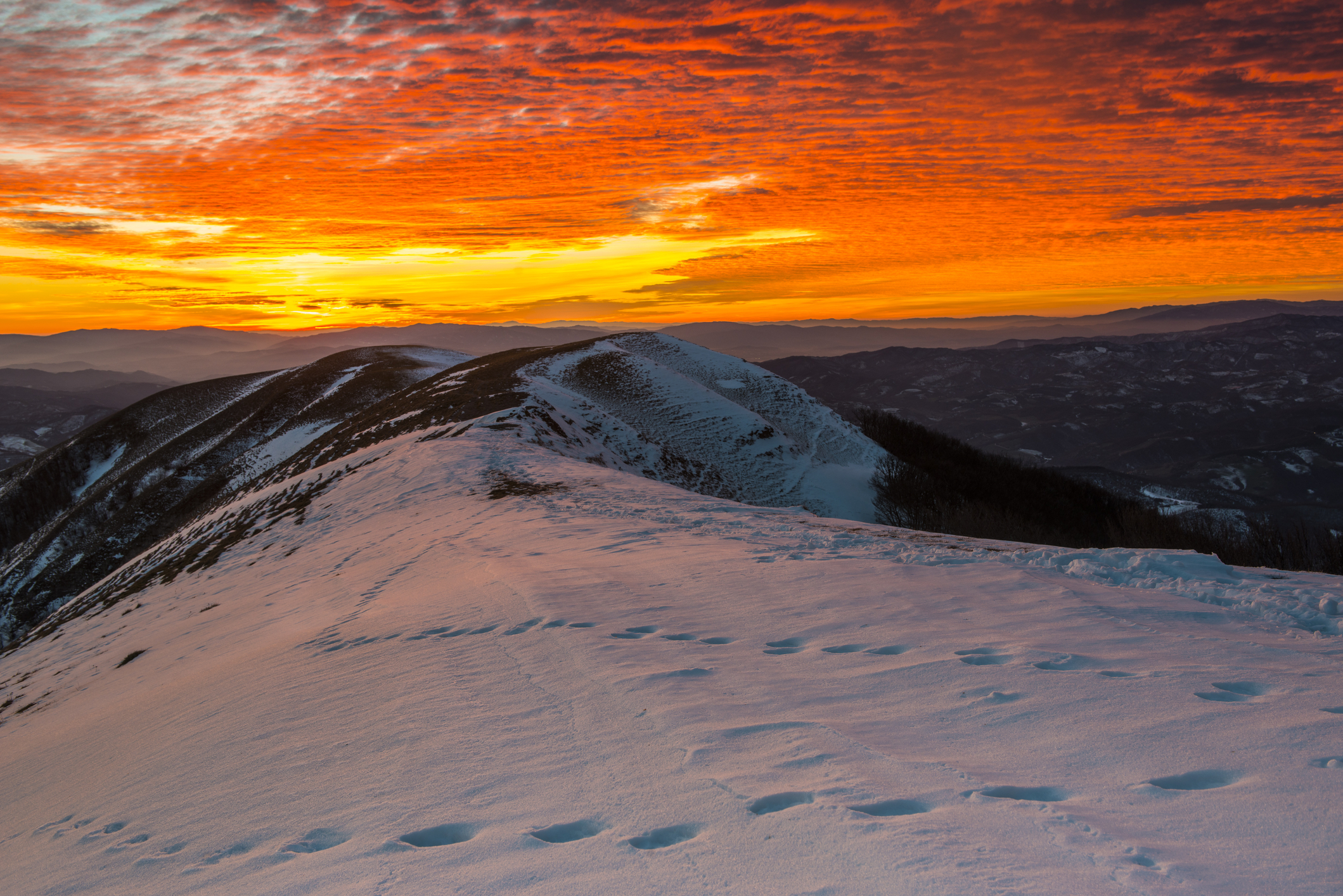
Such atmospheric movements can favor the formation of low-pressure systems, which are crucial for determining the areas most affected by rain and snowfall. Mountain areas, as well as the Center-North, could be particularly subject to snowfall, even at relatively low altitudes.
But for now, there are no certainties, only conjectures.
Current projections suggest a January characterized by a possible significant temperature drop compared to seasonal averages. A month with weather like in the past, influenced by stratospheric maneuvers.
 Follow our feed