November is known as a transitional month between Autumn and Winter, during which weather conditions are particularly volatile and complex.
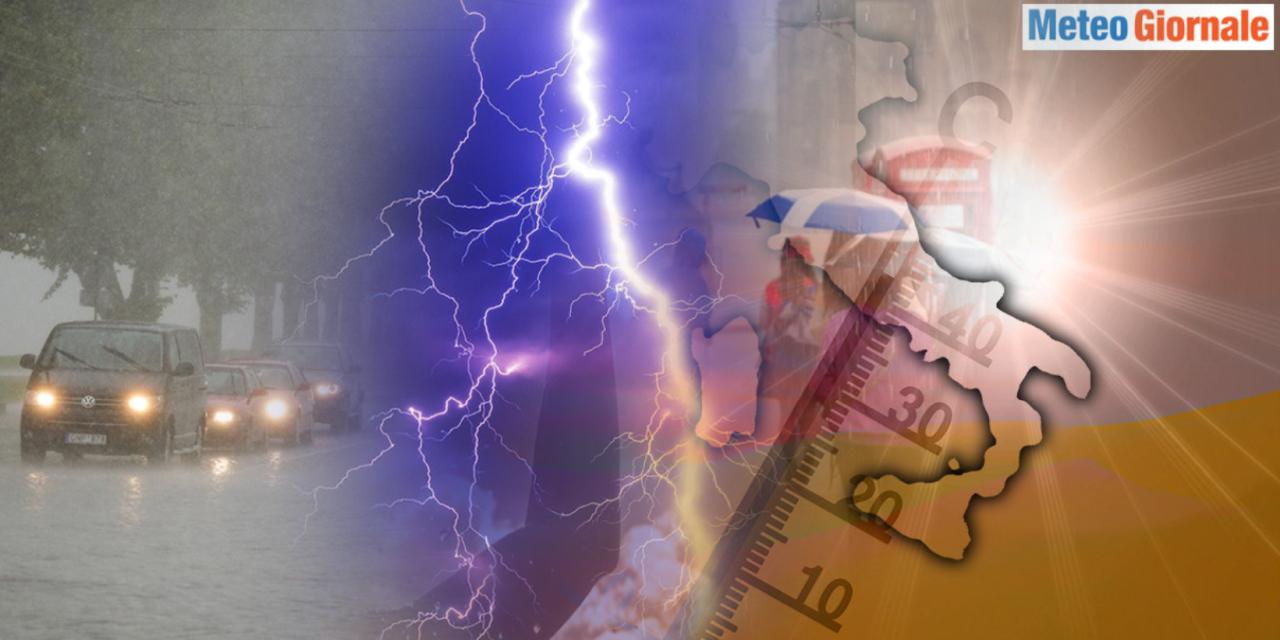
In recent years, the impact of climate change has intensified atmospheric phenomena, making November a month characterized by frequent episodes of bad weather, torrential rains, and strong winds that often challenge the stability of the Italian territory.
A fundamental element to understand November’s weather is the balance between the Anticyclone and the unstable currents crossing Europe.
The Azores High, for example, can occasionally extend to Italy, bringing brief periods of atmospheric stability and clear skies.
However, when its influence diminishes, the Mediterranean becomes a favorable ground for the formation of cyclonic depressions.
These develop due to the interaction between the still mild sea air and the cold air masses coming from Northern Europe, creating an explosive mix that often results in intense and persistent thunderstorms.
During the first part of November, the passage of Atlantic disturbances is a common event, capable of bringing abundant rains, particularly in the northern and central regions.
The Alps and the Apennines act as natural barriers, intensifying precipitation and causing significant rain accumulations.
Days during this period can start with mild temperatures, with highs around 15°C-18°C, but experience sudden drops at sunset, with lows easily falling below 10°C, especially in inland and mountainous areas.
Coastal regions experience different conditions compared to inland areas.
Cities facing the Tyrrhenian and Adriatic Seas have to deal with maritime thunderstorms that, although spectacular, can be extremely dangerous.
A maritime thunderstorm can deposit in a few hours the equivalent of a month’s precipitation, accompanied by strong winds exceeding 60-70 km/h.
These winds, such as the Libeccio and the Scirocco, often blow fiercely, causing storm surges that hit the coasts, with waves up to 3-4 meters high, making navigation and port activities difficult.
Sardinia and Sicily, thanks to their strategic position in the Mediterranean, are particularly exposed to low-pressure phenomena.
The sea around these islands, still warm from the remnants of Summer, becomes a catalyst for the formation of localized but intense thunderstorms.
These cyclonic systems can unleash heavy rains, creating potential hydrogeological emergency situations for inland and coastal areas.
The fragility of some territories makes preparation and continuous monitoring a necessity.
November is also a month when the risk of floods becomes concrete.
Italy, with its vast hydrographic network and varied geographical features, often faces the problem of flooding.
Regions like Liguria, Tuscany, and Emilia-Romagna have a recent history of devastating flood events that have hit cities and countryside, causing significant damage.
Monitoring the situation of rivers and streams is essential, as a sudden rise in water levels can endanger entire communities.
In the second half of the month, the cold begins to be felt more insistently.
Cold air currents from the Siberian plains and Northern Europe can reach Italy, lowering temperatures by 5°C-10°C compared to previous values.
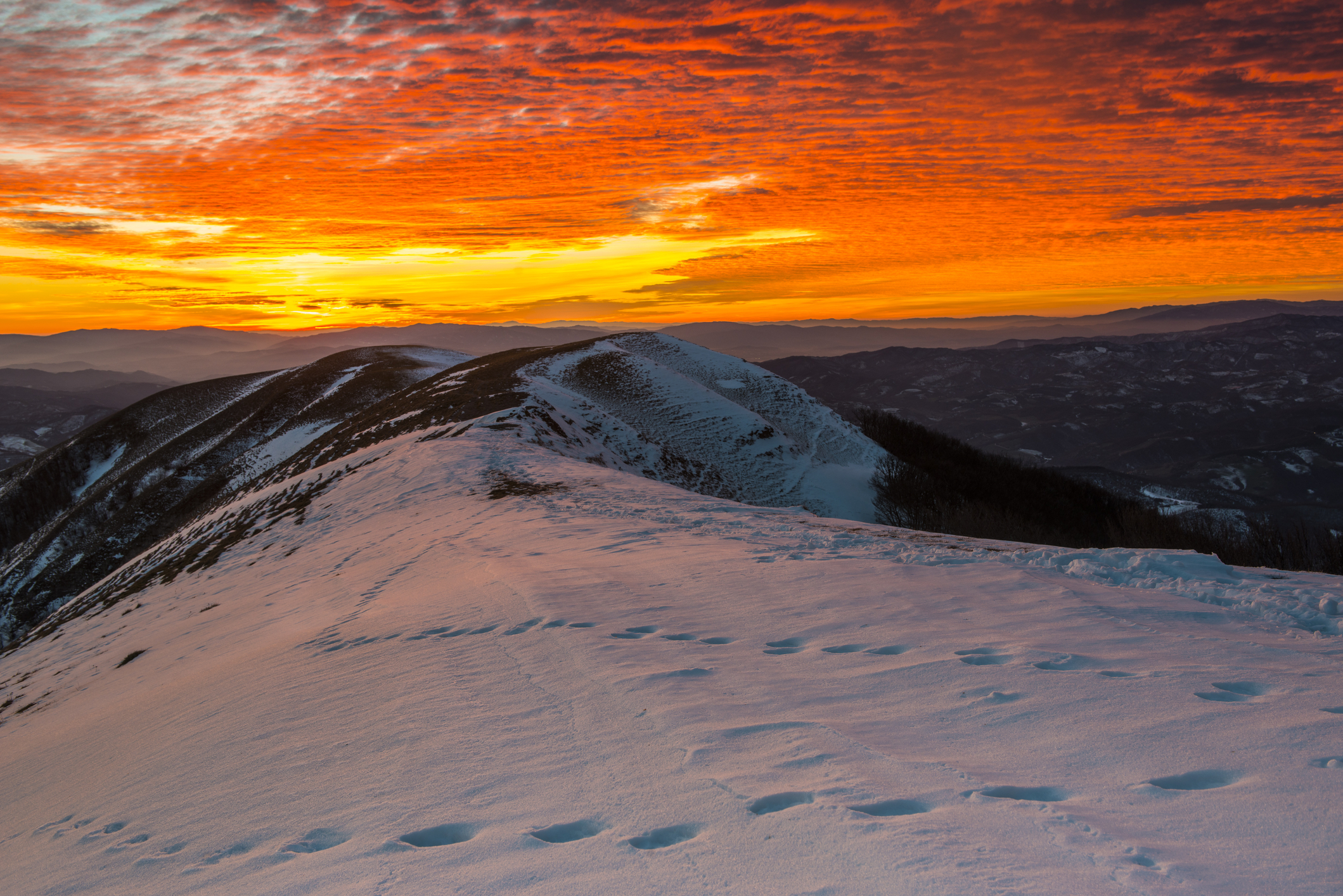
These cold air flows favor the first snowfalls, not only in the Alps but also in the Apennines at altitudes below 1000 meters.
Mountain towns thus prepare for the arrival of Winter, hoping that the snow accumulation will allow the start of the ski season and help restore the water reserves needed to face the following months.
Facing November means being prepared for variable scenarios, from days of cold and clear sunshine, bringing momentary relief thanks to High Pressure, to those dominated by torrential rains and strong winds that remind us of the uncontrollable force of nature.
The month of November concludes Autumn, bringing us to the threshold of Winter, in a period when the atmosphere shows all its complexity and its ability to surprise us.
 Follow our feed