Saturday, 25 April 2026
Meteo Giornale English
  • Home
    • Italiano
    • Español
    • Français
    • Deutsch
  • Weather Forecast
    • Weather Forecast 7 days
    • Weather Forecast 15 days
  • Climate change
  • Weather Forecast Editorial
    • Weather Focus
    • Weather News
    • Wiky Weather
  • Magazine
  • Multimedia
  • Travel and Climate
  • Home
    • Italiano
    • Español
    • Français
    • Deutsch
  • Weather Forecast
    • Weather Forecast 7 days
    • Weather Forecast 15 days
  • Climate change
  • Weather Forecast Editorial
    • Weather Focus
    • Weather News
    • Wiky Weather
  • Magazine
  • Multimedia
  • Travel and Climate
Meteo Giornale
Página de inicio Magazine

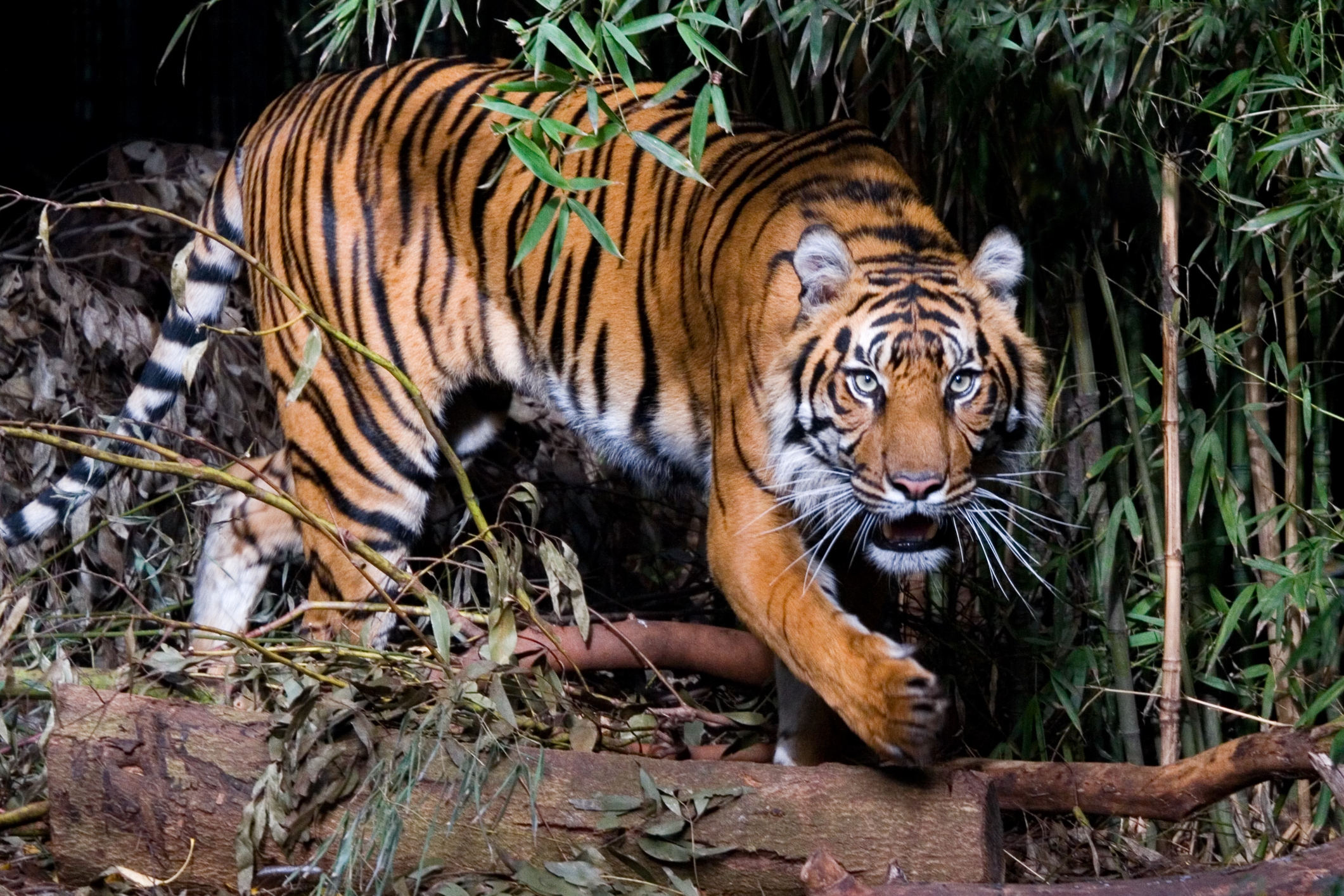
Bears, tigers, wolves: which is the most ferocious mammalian predator?

James Miller por James Miller
Sep 29 2024 - 11:48
en Magazine
Tiempo de lectura: 2 mins de lectura
A A
Share on FacebookShare on Twitter


A recent ​study conducted by ecologists at Deakin University ⁢ in Australia analyzed the⁤ predatory effectiveness of large terrestrial mammals, ⁢focusing ⁣on per ‌capita kill rates, which ‌measure the ⁣number ⁣of prey successfully captured ⁤by each individual predator.

This parameter is crucial for understanding the environmental impact of different species, ⁤although it represents only one aspect of their⁤ behavior. ​   ⁢ ‌ ⁣ The study found that‌ solitary carnivores, such as brown bears, tigers, and lynxes, have‍ higher kill rates per ⁤individual compared to social predators, such as wolves, ⁣ hyenas, ⁤and lions.

Solitary carnivores tend to ⁣hunt more ‌frequently, while⁢ social predators can take down larger prey and, through‌ sharing, derive greater energetic ⁣benefits from the available resources. ⁤   Another fundamental aspect‌ analyzed is the size of the prey ⁤relative to the predator.

For example,‍ for a ​solitary carnivore, a small prey like a shrew might not provide enough nourishment,⁤ while a deer represents a much more abundant resource.

Conversely, for a‍ group of twenty social⁢ predators, dividing the same prey might not equally satisfy the⁣ dietary needs of ⁣each ⁢individual.   ‌ The study also found that predators like the Eurasian lynx and the African wild dog kill an amount of biomass that exceeds their needs, leaving on average a third of the meat in the field.

This residual biomass often​ becomes a resource for scavengers, ⁣creating complex dynamics between predators and animals that feed on ​carcasses.

For example, hyenas are‍ known ​to steal prey from lions, but at the same time, lions often ⁤appropriate the hyenas’ spoils.   ​ The research team analyzed about 200 studies on the predatory success ⁣of large terrestrial carnivorous mammals (weighing over 15 kg), including some smaller species like the ‌ coyote, the wolverine, the fossa, and​ the‍ Tasmanian Devil, all considered apex ⁢predators in their ecosystems.   Despite the‍ extensive data collection, the study ‍highlighted significant ‌informational gaps.

Much of the research comes from North America, with fewer ⁤studies from Africa ⁣ and Europe, and very few data have been collected in Asia.

In​ Australia, surprisingly, there are no reliable published ⁤data on predators. ⁣ ‌ ⁤ In general, the study concludes that social ⁣carnivores tend to have individually lower kill rates compared to solitary predators.

However, a direct comparison between these species is ‌complicated, as each group‍ employs different hunting strategies.

For​ example,‍ canids like wolves and African ‍wild dogs rely on prolonged chases, while felines prefer ambush techniques, based‌ on stealth and sudden bursts of speed.

READ ALSO

The growing threat of microplastics: concerns about correlations with certain diseases

Submarine volcano off the coast of the United States to erupt in 2025? The forecasting challenge


Our articles from Meteo Giornale are on Google News, follow us for free!
Google News Follow our feed
CompartirTweetFijar
Publicación anterior

Weather: Will October be as crazy as September? The real possibilities

Siguiente publicación

Bears, tigers, wolves: which is the most ferocious mammalian predator?

James Miller

James Miller

Relacionado Publicaciones

The growing threat of microplastics: concerns about correlations with certain diseases thumbnail
Magazine

The growing threat of microplastics: concerns about correlations with certain diseases

January 2, 2025
Submarine volcano off the coast of the United States to erupt in 2025? The forecasting challenge thumbnail
Magazine

Submarine volcano off the coast of the United States to erupt in 2025? The forecasting challenge

January 2, 2025
The “Great Solar Wall” of the Kubuqi Desert: it will supply Beijing with clean energy thumbnail
Magazine

The “Great Solar Wall” of the Kubuqi Desert: it will supply Beijing with clean energy

January 2, 2025
Siguiente publicación
Winter, the countdown begins: early WEATHER anomalies, imminent SNOW risk thumbnail

Winter, the countdown begins: early WEATHER anomalies, imminent SNOW risk

Tourism in Monte Nerone: skiing, snowshoeing, and hiking in the Marche region thumbnail
Travel and Climate

Tourism in Monte Nerone: skiing, snowshoeing, and hiking in the Marche region

January 2, 2025
Weather: the cold advances in Europe, what to expect thumbnail
Weather News

Weather: the cold advances in Europe, what to expect

January 2, 2025
Trip to Málaga: from the Phoenicians to Picasso, art and history and an ideal climate thumbnail
Travel and Climate

Trip to Málaga: from the Phoenicians to Picasso, art and history and an ideal climate

January 2, 2025
Trip to Rome: How to Dress for Cool and Humid Weather. Practical Tips thumbnail
Travel and Climate

Trip to Rome: How to Dress for Cool and Humid Weather. Practical Tips

January 2, 2025

Innovazione Scienza S.r.l. unipersonale P.IVA/C.F. 10463560960- Milano (MI)

Sin resultados
Ver todos los resultados
  • Home
    • Italiano
    • Español
    • Français
    • Deutsch
  • Weather Forecast
    • Weather Forecast 7 days
    • Weather Forecast 15 days
  • Climate change
  • Weather Forecast Editorial
    • Weather Focus
    • Weather News
    • Wiky Weather
  • Magazine
  • Multimedia
  • Travel and Climate

Innovazione Scienza S.r.l. unipersonale P.IVA/C.F. 10463560960- Milano (MI)