The last day of the year took place under the undisputed dominance of the Azores anticyclone, which continued to influence the climate over much of the Mediterranean area.
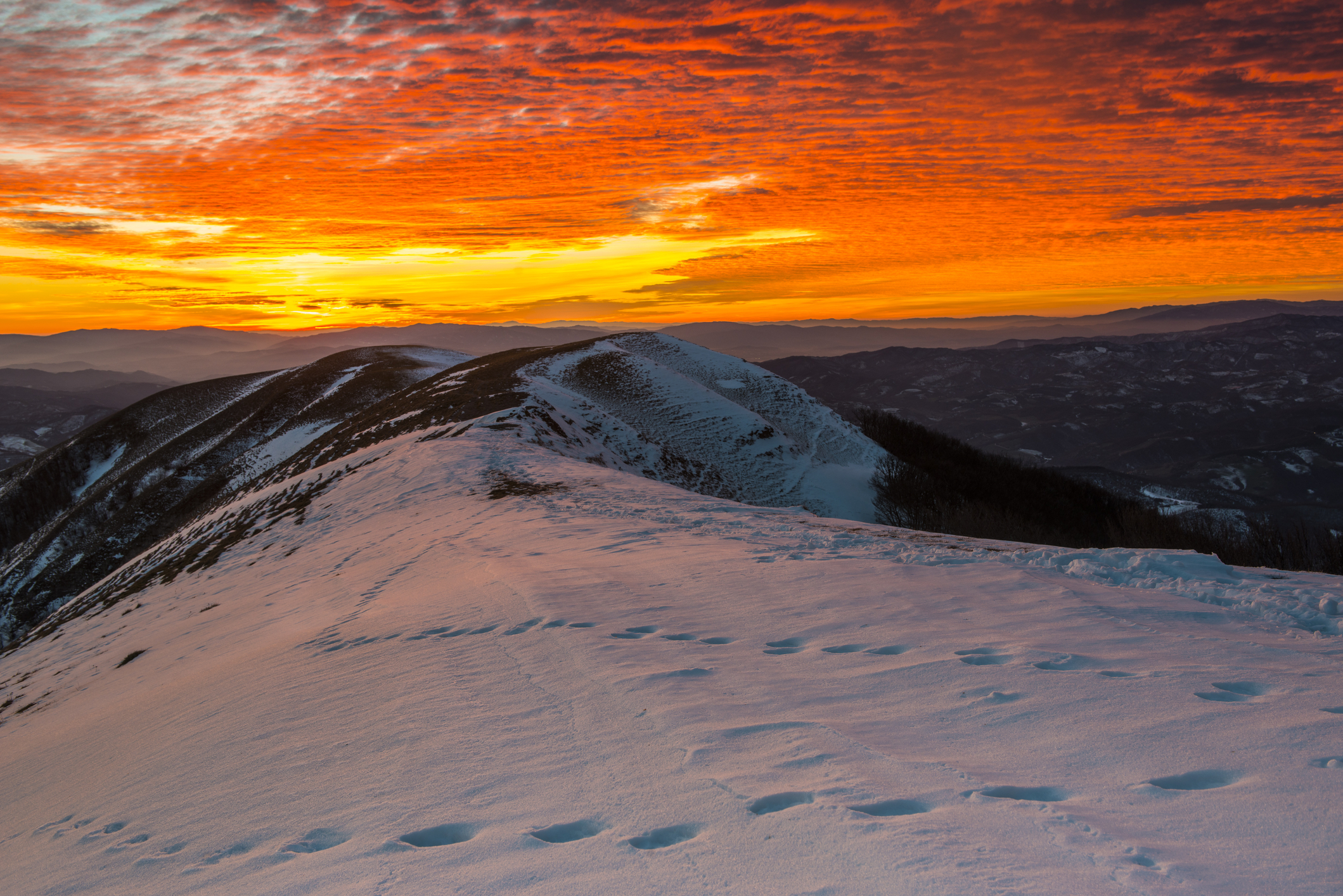
The weather conditions remained stable, with predominantly clear skies and mild temperatures, especially during the central hours of the day.
Even in the North, Center, and South, December 31 saw predominantly dry conditions, with some exceptions due to the presence of low clouds over Liguria and Tuscany.
Despite the dominance of the anticyclone, typical winter phenomena such as thick fog and dense mist caused disruptions, especially in the Po Valley.
Here, during the previous night, reduced visibility complicated road traffic, highlighting the limitations of this phase of relative atmospheric calm.
Fog and low clouds: side effects of the anticyclone
The anticyclone did not only bring clear days.
Along the coasts of Liguria and other maritime regions, low maritime-type clouds formed, while in the inland areas of the North, the fog became particularly thick.
This phenomenon, characteristic of the cold period, was the result of moisture stagnation in the lower layers of the atmosphere, exacerbated by poor ventilation.
These conditions, in addition to limiting visibility, kept temperatures colder in the morning and during the night, in contrast to the mild climate observed during the rest of the day.
Imminent changes: North Atlantic disturbance on the way
After New Year’s, the weather is set to change.
Between the evening of Thursday, January 2 and the day of Friday, January 3, high pressure will give way to the arrival of a disturbance of North Atlantic origin. This front will bring a rapid deterioration in the North, with scattered precipitation and a general increase in cloudiness. By the evening of Friday, January 3, the disturbed system will slide towards the South, also involving the Major Islands, Sardinia and Sicily, with phenomena of varying intensity.
This first change will be the prelude to a more dynamic and unstable phase, which could accompany us until the Epiphany weekend.
Cold wave expected for the following week
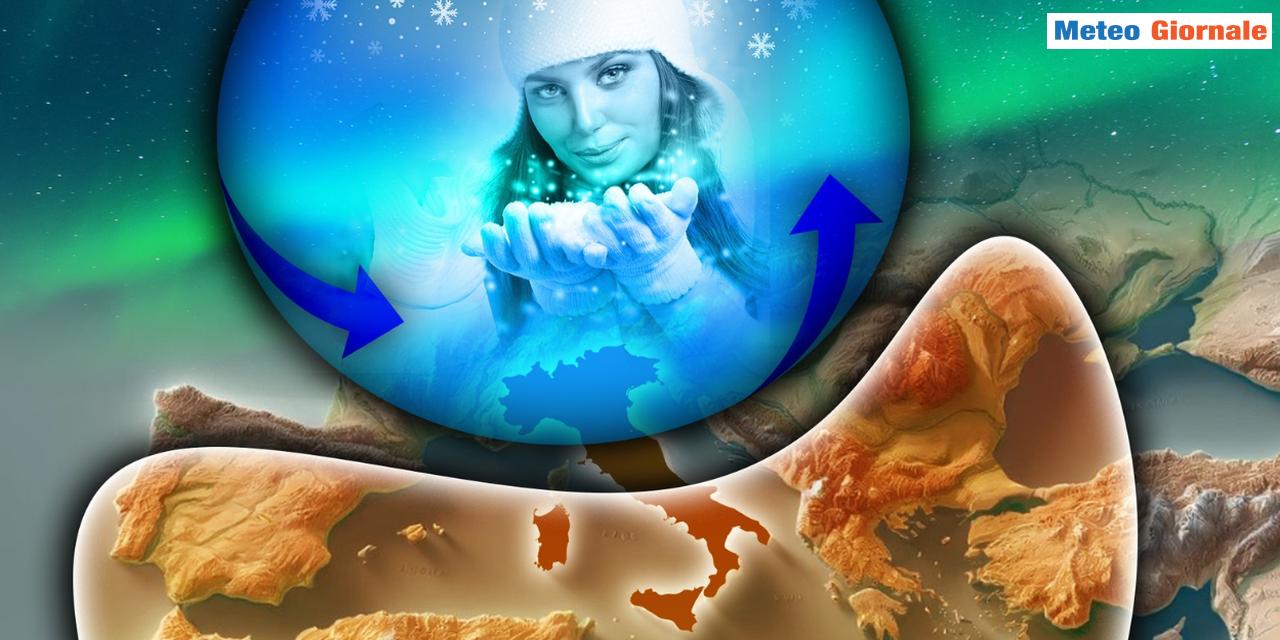
If the forecasts are confirmed, starting from the following week, the territory could be hit by an intense cold wave.
This phase, characterized by temperatures well below the seasonal average, could last several days, affecting both the North and the South.
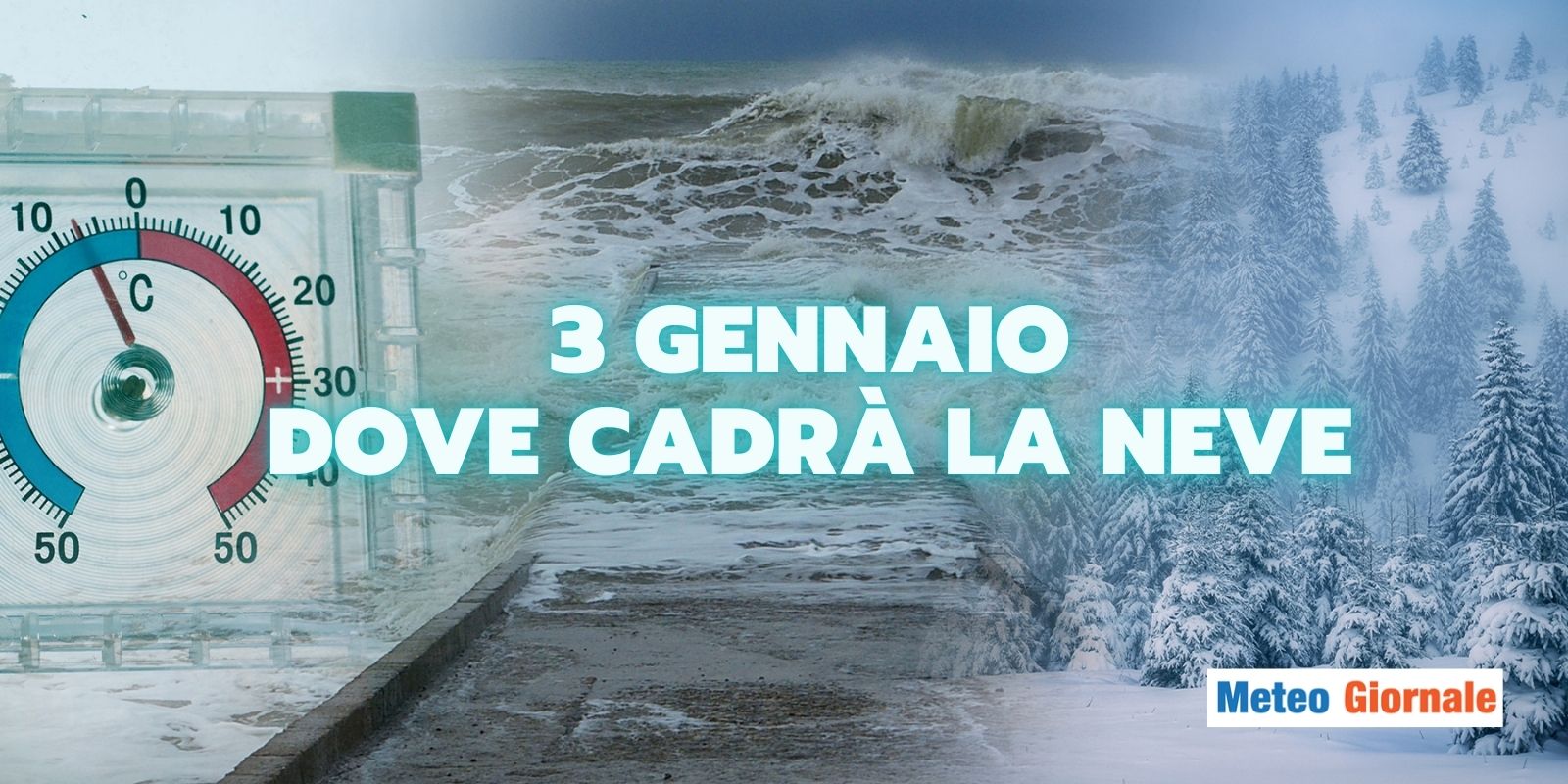
It would be a return to a more rigid winter climate, with possible episodes of snow even at hilly or low altitudes, especially in the northern regions.
 Follow our feed