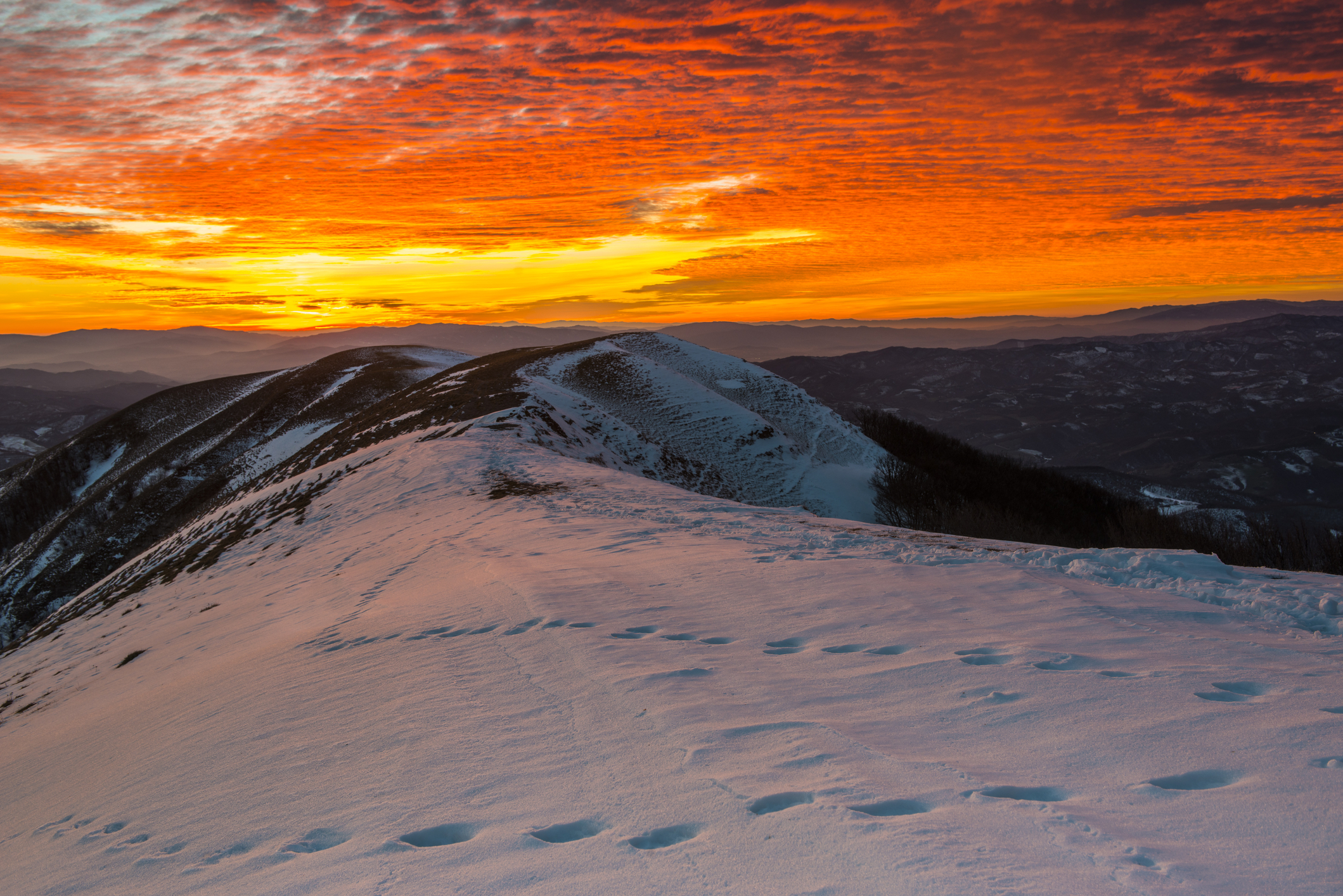
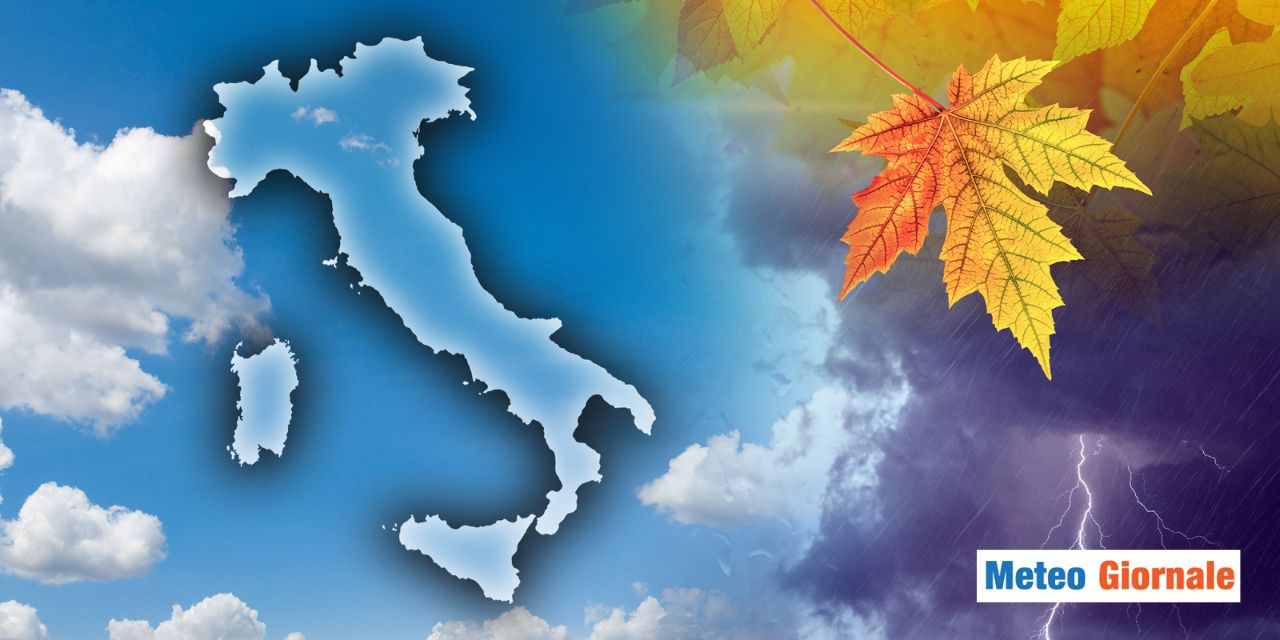
 Cold, strong winds, and snowfalls have affected many cities in the Central-South, especially along the Apennine chain, where after many years, the white Christmas of dreams was experienced again.
Now the weather conditions are gradually improving, although strong north winds persist in the Central-South and still annoying clouds on the Adriatic side and in Sicily. In recent days, there was talk of a possible new deterioration between Friday, December 27 and Saturday, December 28, particularly in the South and the lower Adriatic.
This new wave of bad weather would have been caused by a small but insidious cold retrogression coming from Eastern Europe, which could have brought showers, thunderstorms, and snowfalls down to hilly areas in the South.
Mathematical models revise the forecasts
However, this forecast has been dramatically revised by mathematical models.
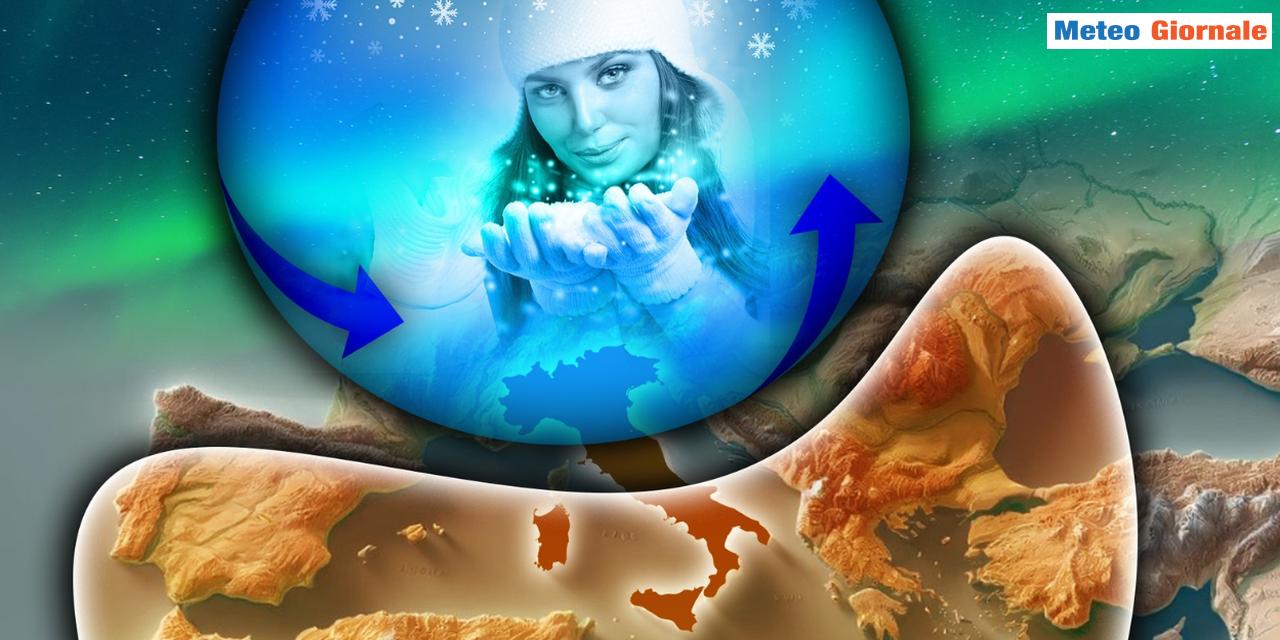
As often happens in the presence of cold drops coming from Eastern Europe, the forecasts are really complicated up to just two days away. In fact, the trajectory of this cold core has been revised, placing it much more southern than initially expected. The main target of this small depression will be Greece, while Southern Italy could remain almost entirely on the margins of the deterioration.
Marginal phenomena for Calabria and Sicily
At most, a few quick showers could reach Calabria and Sicily, but these would be marginal and short-lived phenomena, followed immediately by a quick improvement in the weather.
In the rest of Italy, little to say: with high probability, the weather will be stable between December 27 and 28, with a very high probability until the end of 2024.
High pressure returns as the protagonist
The Azores high pressure will regain full control of the weather over the central-western Mediterranean and the Iberian Peninsula, ensuring much more stable and sunny weather, although at times foggy, as in the Po Valley.
The anticyclone will probably accompany us until the first days of 2025, favoring a gradual recovery of maximum temperatures and ideal conditions for those seeking climatic tranquility. However, the cards on the table could change drastically around Epiphany.
A new phase of atmospheric dynamism could see the return of cold or Arctic flows, but we will talk about this better in the next editorials.
 Follow our feed