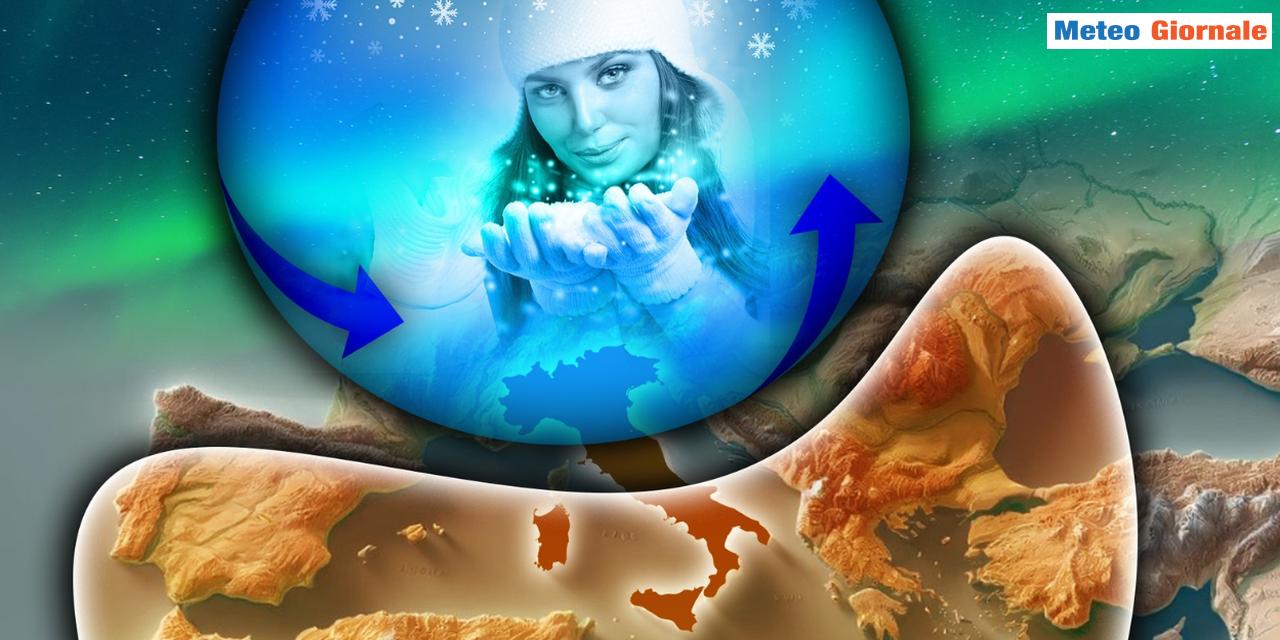
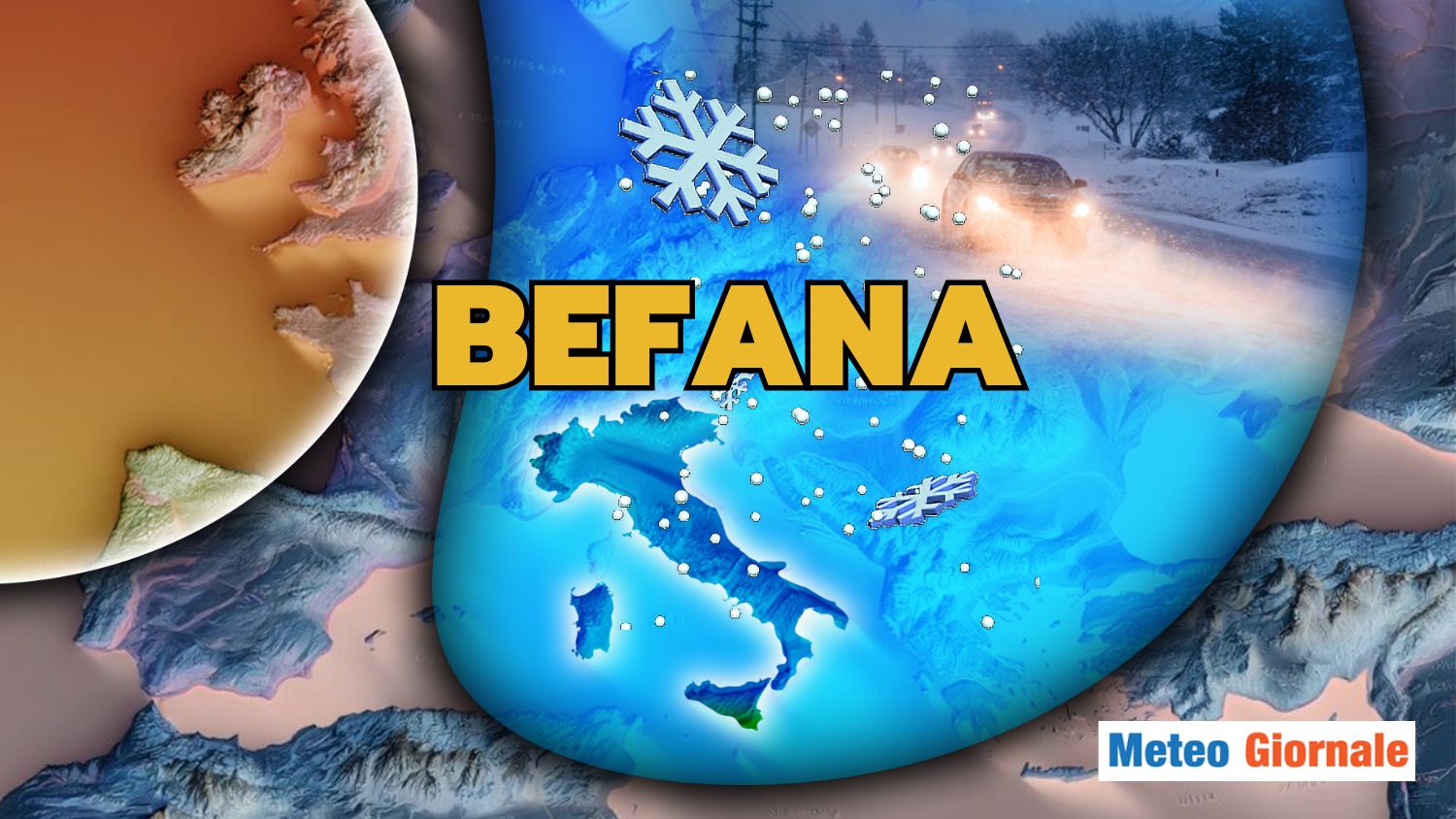
 The latest weather updates outline a potentially significant scenario for the first days of January 2025, with the Epiphany possibly bringing freezing and snowy weather to many Italian regions. The analysis of weather models confirms significant atmospheric movements on a hemispheric scale, with two main protagonists ready to interact in a spectacular and unusual way compared to recent years. The first key element is represented by a vast reservoir of freezing air positioned between Scandinavia and Russia, which in the first days of the year will begin to slide southward, affecting Central Europe and, subsequently, Italy. This cold flow promises to bring temperatures significantly below the seasonal average, with values that could drop to 23°F even in the plains, creating a true harsh winter scenario. Meanwhile, in the North Atlantic sector, a incoming disturbance driven by cold and unstable currents could first hit the British Isles, then cross Spain and France, and finally dive into the Mediterranean basin through the Rhone Valley. This disturbance entry, combined with the influx of freezing air, could trigger an explosive dynamic in our territory. Italy, caught between the cold descending from the northeast and the entry of the Atlantic disturbance, could see the formation of a low-pressure system between the Ligurian Sea and the Tyrrhenian Sea.
This cyclogenesis would be responsible for a wave of widespread precipitation, particularly affecting the Center-North. The cold temperatures expected for the period would create a “Padanian cushion,” or a layer of cold air trapped in the lower layers, particularly persistent in the Po Valley. This configuration would favor the return of snow not only on the hills and mid-altitude areas but also down to the plains, with significant accumulations that could last for several days. Although there are still a few days left to have a definitive view of the scenario, the possibility of a start to the year marked by cold and snow seems concrete. We invite you to follow the upcoming updates to better understand the evolution of this meteorological dynamic that could mark a significant turning point in the winter landscape of 2025.
 Follow our feed