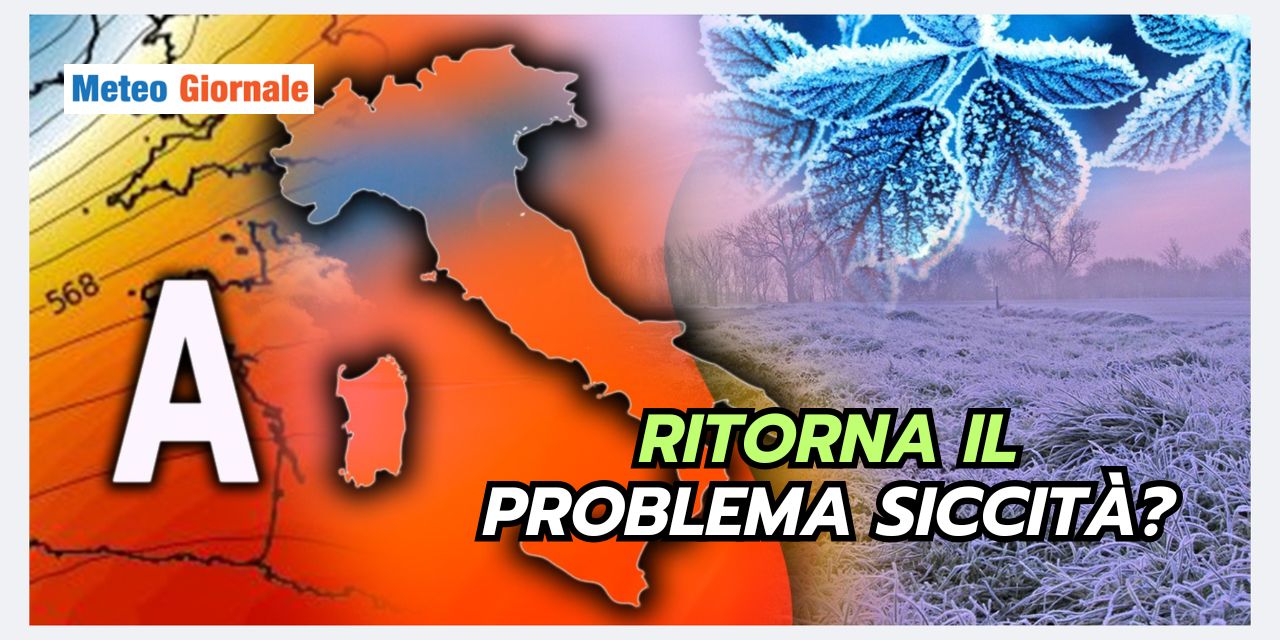
 Drought nightmare in the long-term weather forecast? For now, there is no danger, but for some Italian regions, a really long period without significant precipitation is expected. In fact, November was significantly below average practically throughout the Peninsula, while December is experiencing two speeds. Precipitation is fairly average in much of the Po Valley and well above average generally in the South.
However, there is a corner of Italy where precipitation is severely deficient, and we are talking about the extreme Northwest.
Specifically, Piedmont and Liguria.
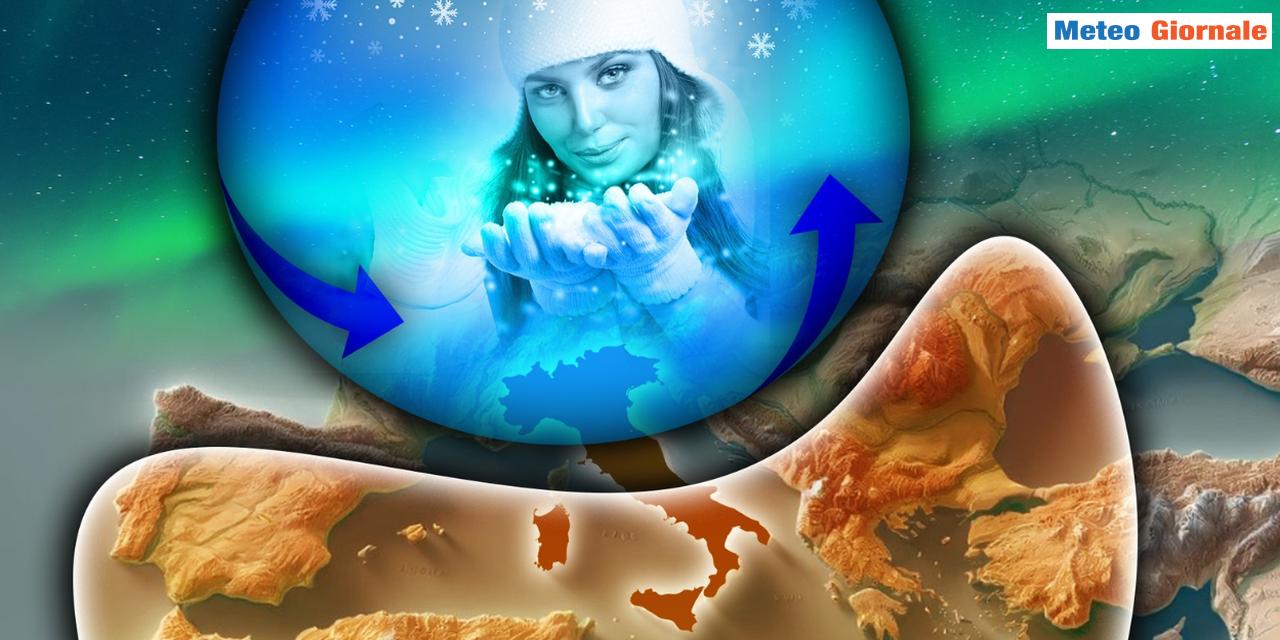
Azores High Pressure: its prolonged return
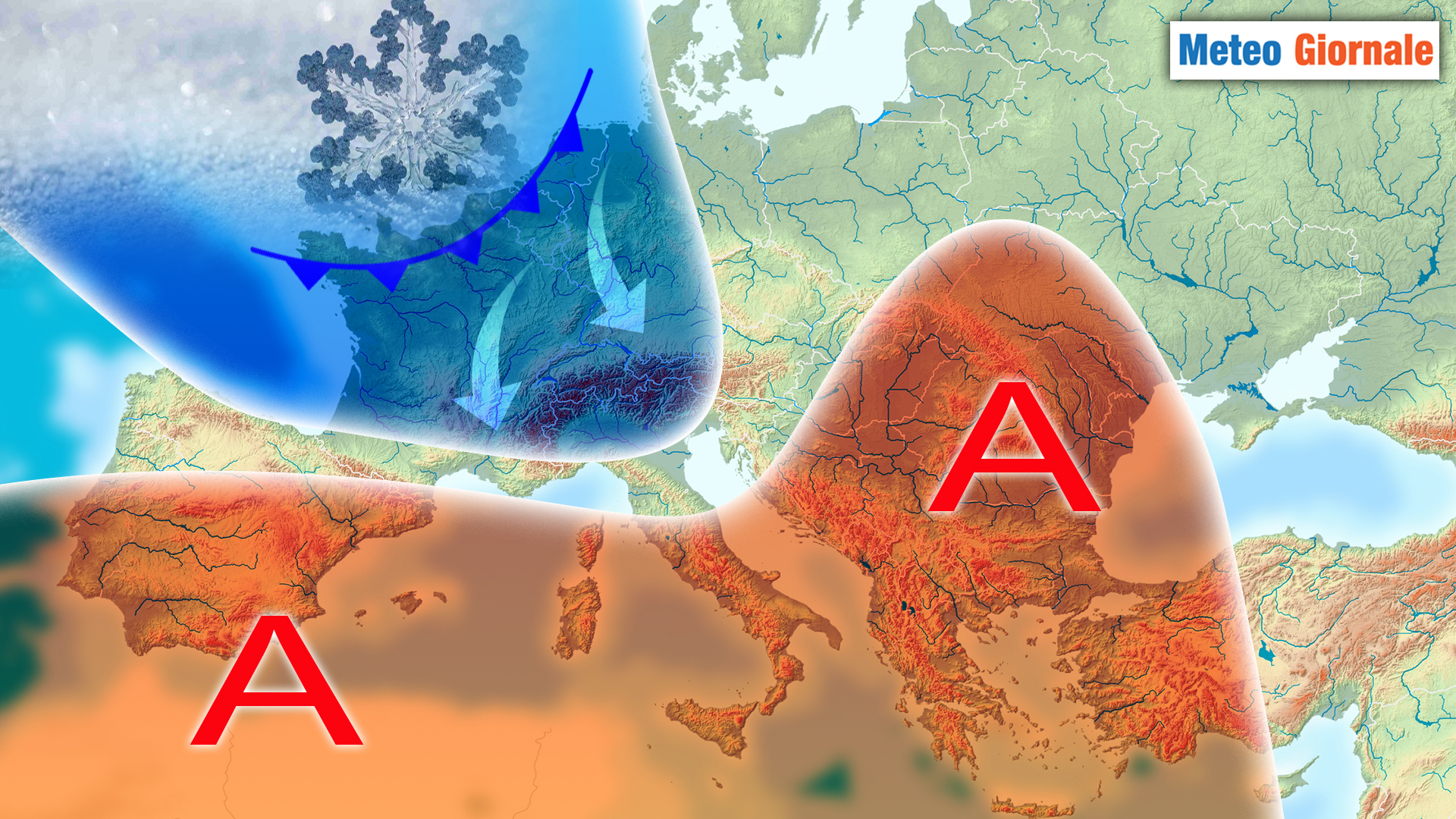
The disturbance that affected Italy is definitively moving towards Greece, allowing the gradual return of the Azores High Pressure.
This atmospheric dynamic will ensure stable conditions over much of the peninsula, with one exception: between December 27 and December 28, brief showers are possible in Calabria and Sicily.
Subsequently, the Anticyclone will take full control of the weather scenario, likely accompanying us until the beginning of 2025. For the regions of Central-Southern Italy, this improvement will represent a necessary break after days of intense rains and abundant snowfalls.
In Northern Italy, however, it will be the continuation of stability that has already lasted for several days.
It is highly unlikely, almost certain, that Northern Italy and the areas of the Middle-Upper Tyrrhenian will not see significant precipitation at least until the end of 2024. In the border Alps, a few snowflakes might fall due to humid currents coming from the North Atlantic, which will impact the mountain range from the north. However, no significant snowfalls are expected, and the plains will remain dry for at least another 10 days!
The High Pressure and its effects on Winter
The decisive arrival of the Azores High Pressure will hinder the entry of disturbances towards Northern Italy, diverting them mainly towards Eastern Europe.
This scenario, while ensuring clear days, represents a significant problem.
In fact, the winter period is crucial for water and snow accumulation, essential resources for the national water balance. The start of 2025 will not bring significant changes: the Anticyclone will continue to dominate, keeping disturbances at bay.
Consequently, rains and snowfalls will still be awaited.
In the meantime, phenomena such as fog in the Po Valley and low clouds along the Tyrrhenian side will return. The prospects for snow and rain seem postponed to the Epiphany period, but further weather analyses will be necessary to confirm this trend.
 Follow our feed