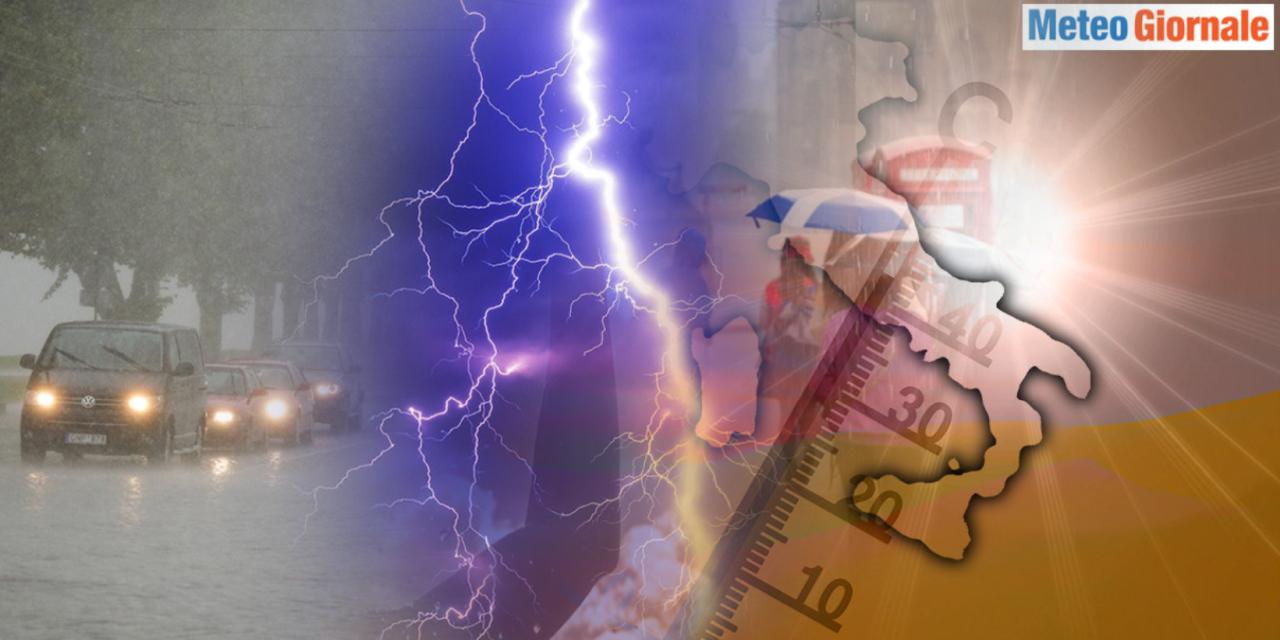
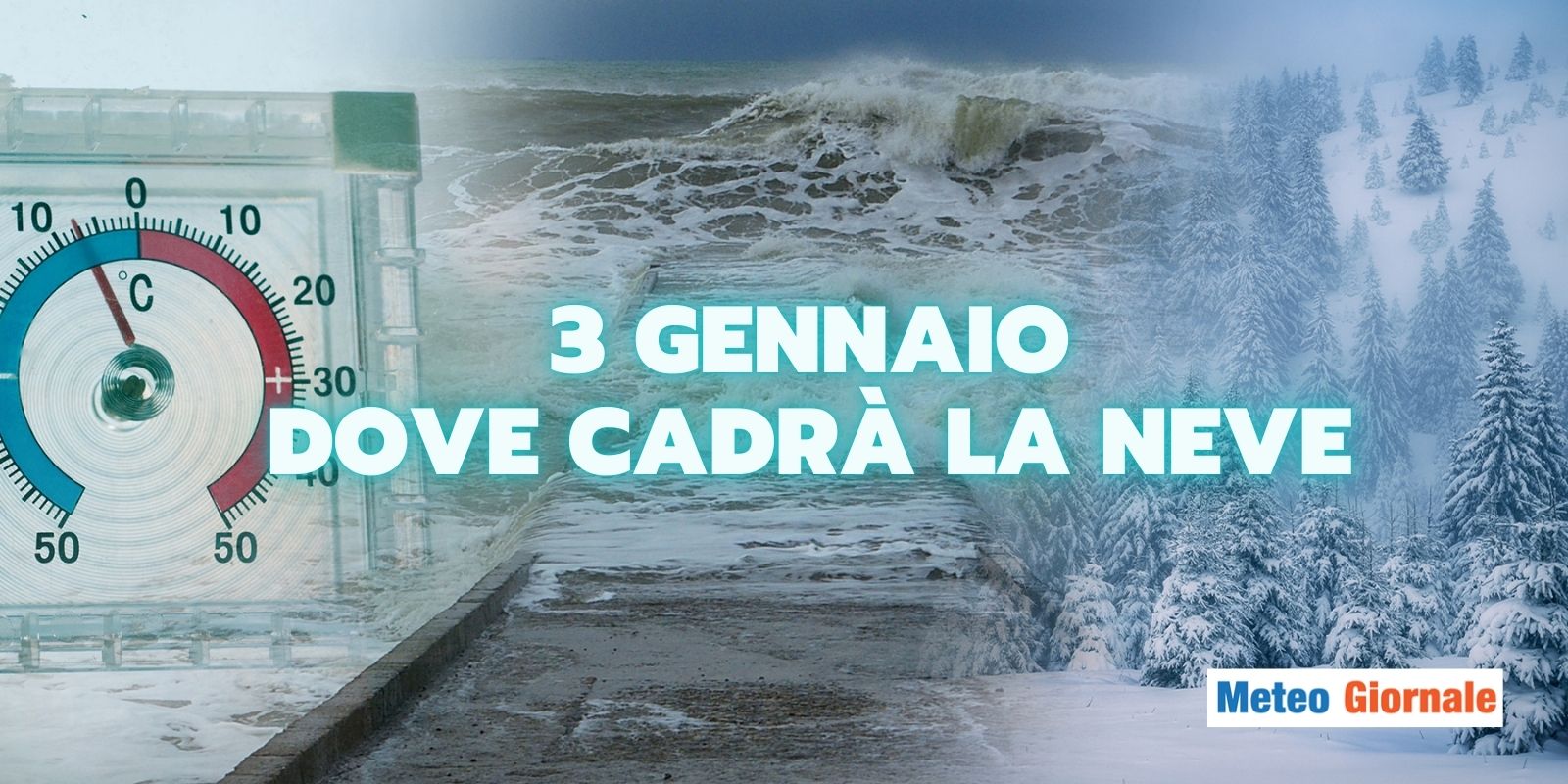
 The winter of 2024-2025 could present an extreme weather-climatic scenario in Italy, a hypothesis that, while remaining within the realm of possibilities, cannot be entirely excluded.
Some long-term climate models suggest that our country could be exposed to particularly severe weather conditions.
These eventualities, while depending on a series of complex variables, are influenced by global and local factors such as the behavior of atmospheric currents, the trend of ocean temperatures, and large-scale climate oscillations. One of the most extreme scenarios could see an interaction between persistent polar cold waves and a possible strengthening of the polar vortex, accompanied by incursions of Arctic air towards the mid-latitudes.
This atmospheric configuration could result in exceptional snowfalls, even at low altitudes, across much of the Italian territory.
Northern Italy, in particular, could face significant snow accumulations, with cities like Turin and Milan potentially experiencing prolonged snowfall events, causing transportation disruptions and interruptions to essential services. In the Center-South, however, the situation could be equally critical but for different reasons.
In such a scenario, the contrast between cold air masses coming from Northern Europe and milder, more humid winds coming from the Mediterranean could trigger intense meteorological phenomena.
Strong disturbances could hit regions like Lazio, Campania, and Calabria, leading to torrential rains and an increased hydrogeological risk.
Coastal and mountainous areas, already vulnerable, could be exposed to landslides, floods, and extraordinary storm surges. Another aspect to consider would be the possible persistence of freezing conditions.
Episodes of exceptionally low temperatures could hit the Apennine hinterland and the Po Valley, where the thermometer could consistently drop below 32°F for weeks.
This would imply not only problems for the energy network, with increased heating demand, but also a significant impact on agriculture.
Sensitive crops, such as fruits and vegetables, could suffer irreversible damage, with notable economic consequences. At the same time, an unusual activation of bora and tramontana winds could make the impact of the cold even more severe, especially in the Northeast areas and along the Adriatic.
Intense gusts, associated with already frigid temperatures, would amplify the perceived discomfort and could create critical situations in maritime transport and port infrastructure. there could be a further intensification of extreme climatic events linked to the possible interaction between La Niña and other global climatic phenomena.
Although the direct impact on the Mediterranean is less pronounced compared to other areas of the globe, the indirect influence could still accentuate meteorological anomalies in our territory. While it is not possible to predict such an extreme scenario with certainty, it is crucial to prepare for the possibility of a particularly difficult winter.
Planning and prevention become fundamental tools to mitigate the impact of these conditions, protecting infrastructure, population, and natural resources. Constant monitoring of weather conditions and the timely adoption of preventive measures could make a difference in the event of exceptional climatic events.
 Follow our feed