The upcoming week is expected to be significantly more eventful compared to the recent phase of atmospheric stability guaranteed by the anticyclone.
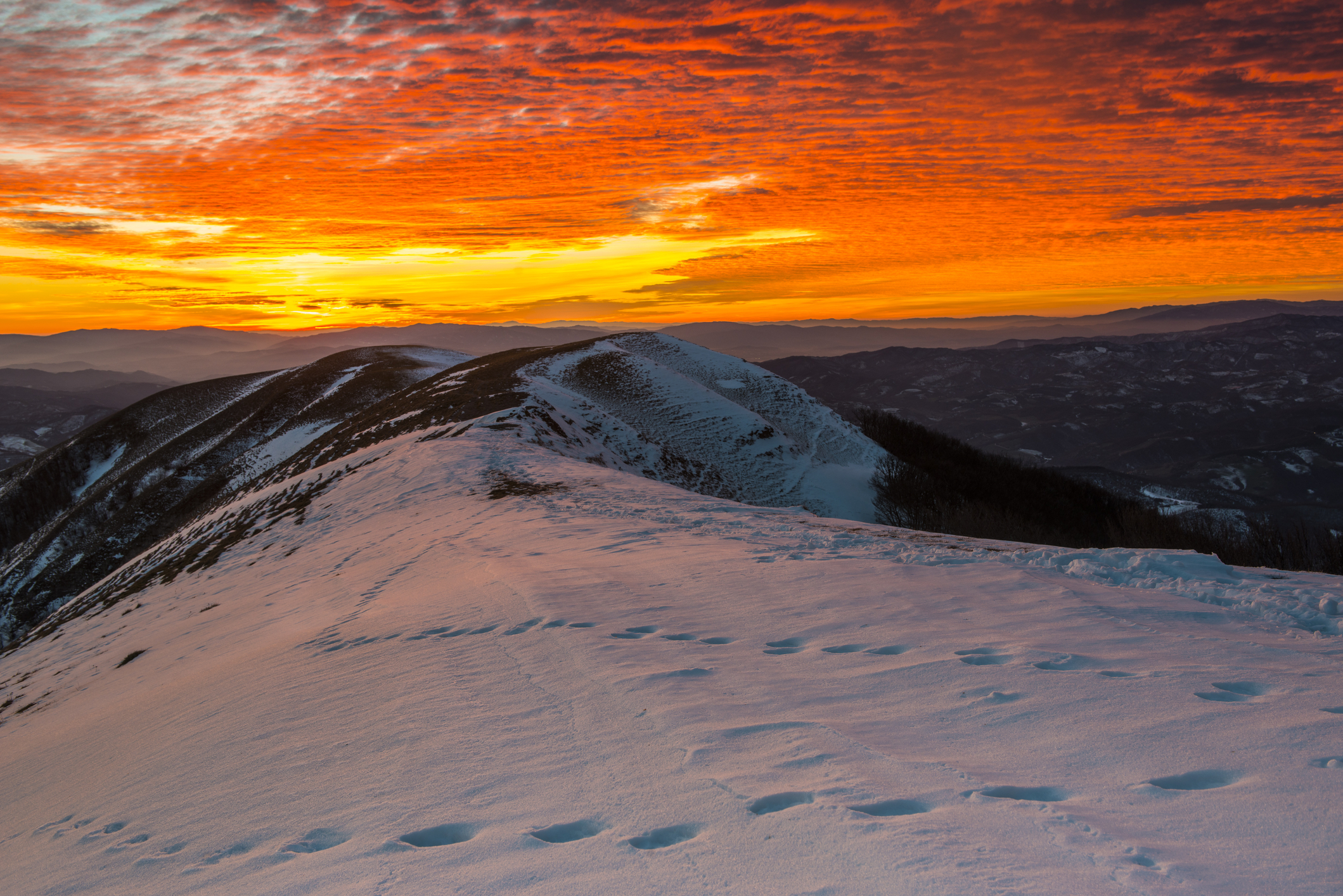
A key element will be the influx of cold air descending from Northern Europe, which will favor a colder climate, especially in the Central-Northern regions. This change will be felt mainly at higher altitudes, in hilly and mountainous areas, where, after many days of unusually mild temperatures, a significant drop in temperature is expected.
Unlike the highlands, the plains (especially those in the north) have recently experienced humid cold due to the phenomenon of thermal inversion, which has kept lower temperatures in the lower layers of the atmosphere.
With the arrival of the new week, however, the cold air should bring a widespread feeling of crisp climate, affecting even the areas that have remained more protected from the cold thanks to the anticyclonic stability. Besides the thermal aspect, the weather situation will also become more dynamic due to the arrival of unstable and disturbed conditions in various areas of the peninsula.
However, at the moment there are still many uncertainties about how the bad weather will materialize, with the main weather models providing contrasting scenarios.
Among the more severe hypotheses, the ECMWF model predicts the formation of a depression vortex right near Italy, fueled by cold air coming from the north and warmer, more humid air rising from the south. This vortex could trigger a phase of significant bad weather between November 12 and 14/15, bringing heavy rains, thunderstorms, strong winds, and an increased risk of flash floods, especially in the Tyrrhenian regions. Additionally, there would be abundant snowfall in the Apennine mountains, but only at high altitudes, confirming a disturbance with a late autumn rather than winter character, with temperatures dropping but not particularly harsh. The ECMWF hypothesis remains the most extreme, while other models, such as the GFS, predict a different and less prolonged evolution, with the unstable vortex leaving Italy more quickly.
This difference in views among the models makes it necessary to wait for further updates in the next 24-48 hours to have greater clarity on what to actually expect.
Only with the next updates will it be possible to understand the extent and distribution of any worsening, and which regions will be most exposed to the risk of meteorological criticalities.
 Follow our feed