The Autumn of this year is shaping up to be a return to old-fashioned weather, with continuous changes between heat and cold, and sudden episodes of intense rain.
The first weeks of the season have already shown how unpredictable atmospheric variations can be, with rapid swings between temperatures that still remind us of summer and those typically winter-like.
September: a prelude of weather surprises
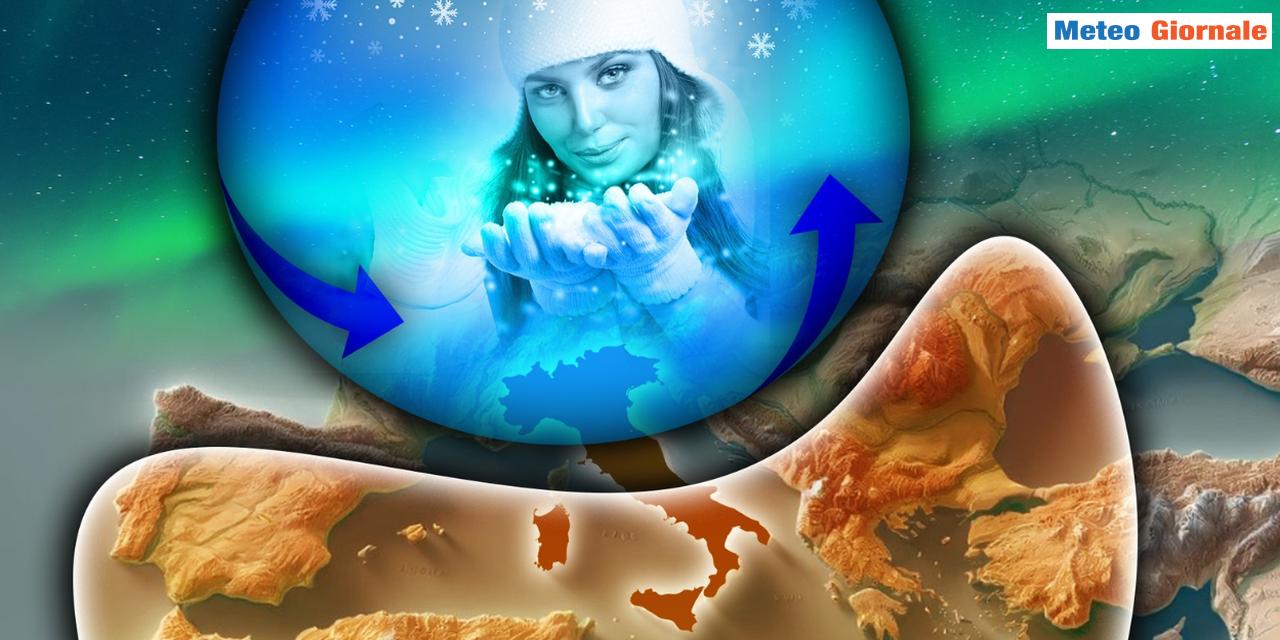
The month of September has offered a wide range of weather phenomena, characterized by a rapid alternation of high temperatures and sudden drops. This trend has made it clear how dynamic autumn weather can be, a trend that seems destined to continue into October. Forecasts indicate the arrival of colder currents, which will increase the contrasts between different regions of Italy, particularly between Northern Italy and Southern Italy.
October: between the African Anticyclone and Arctic currents
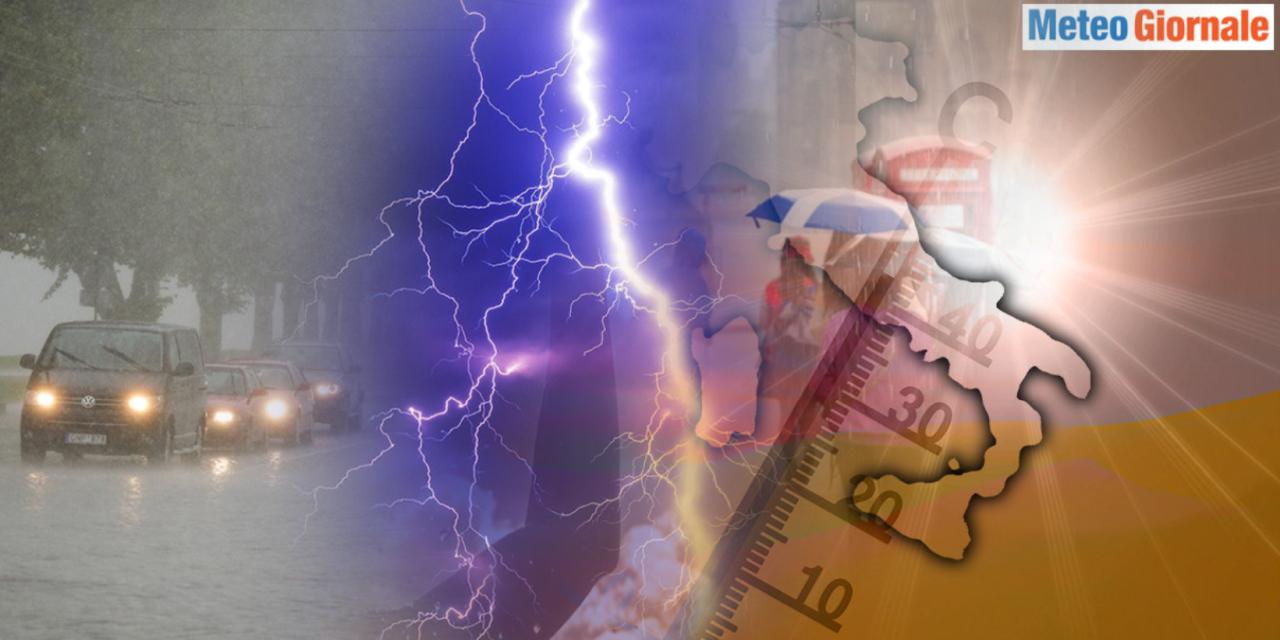
In the early days of October, weather forecasts suggest that the African Anticyclone could bring an unexpected phase of heat, particularly in Southern Italy and the Main Islands, where temperatures could reach or exceed 30°C. However, this mild phase could be quickly interrupted by cold air masses coming from the Arctic, which, with the progressive cooling, will tend to intensify compared to the previous month.
These thermal swings will not be an isolated phenomenon: the transition from mild days to harsher conditions is now a constant of autumn weather.
Rapid and unpredictable variations
The speed with which weather can change in October should not be surprising.
It is indeed likely that after a phase of relative stability, disturbances coming from the Atlantic and the Arctic will bring a sharp deterioration, with an increase in rain and a drop in temperatures.
In the second half of the month, the risk of extreme phenomena such as intense thunderstorms or sudden cold spells will be high, making October one of the most unpredictable months of the year, even surpassing September in terms of atmospheric variability.
November: snow and cold on the way?
As we approach November, the influence of cold currents could intensify further, heralding the arrival of winter. Weather forecasts indicate that the first snowfalls could occur as early as the second half of November, even at low altitudes, especially in Northern Italy.
This winter prelude could be accompanied by a further drop in temperatures, giving November a more winter-like than autumnal face. Expectations for the month of December are still uncertain, but the La Niña phenomenon could play a decisive role in defining the winter weather.
The impact of La Niña could result in an increase in rain and snow especially in the regions of Northern Italy, with the possibility of a harsh winter.
Even the thermal anomalies of the Atlantic Ocean could significantly influence atmospheric circulation in the Mediterranean, bringing further weather surprises.
La Niña and other climatic factors
In addition to La Niña, sea surface temperature anomalies in the Atlantic could have important consequences on the distribution of disturbances in the coming months.
Monitoring these factors will be essential to better understand the evolution of weather and to have a clearer view of what awaits us during Autumn and the beginning of Winter. Forecasts remain open to multiple scenarios, but the overall picture suggests an Autumn characterized by rapid changes, thermal swings, and an increasing risk of extreme phenomena.
 Follow our feed