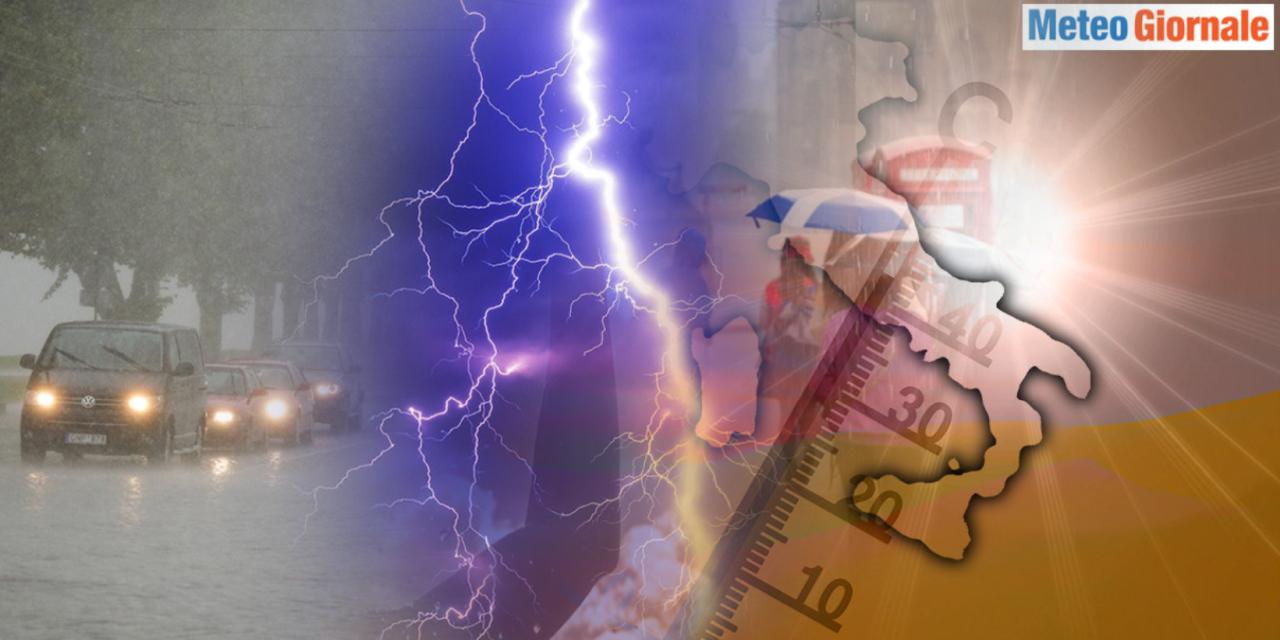
A violent wave of adverse weather hit Northern Italy on August 26, 2024, bringing intense downpours and extraordinarily large hail, with particular repercussions on the Lombardy region.
The effects of this extreme weather event were devastating, with numerous floods and severe disruptions for the population. The province of Brescia was among the hardest hit areas, suffering significant damage due to unusually large hailstorms. Cars, structures, and crops were severely damaged.
In particular, valuable crops were seriously compromised, with negative impacts on the local economy.
Even Malpensa Airport experienced considerable problems: a heavy hailstorm caused water infiltration, leading to further difficulties and flight delays, with numerous inconveniences for passengers. This extreme weather event adds to a series of similar phenomena that have hit Italy in recent months, demonstrating a clear trend towards increasingly unstable and dangerous climatic conditions. Italy is becoming increasingly vulnerable to climate change, and this wave of bad weather only underscores the need for rapid and structured intervention by the authorities. Local authorities and the Civil Protection acted promptly to address the emergency, implementing rescue and assistance measures for the affected population.
Reception points were set up for those who had to leave their homes, and intervention teams worked tirelessly to restore roadways and resolve issues related to flooding and damaged infrastructure.
Images of the damage, shared on social media and by news broadcasts, have evoked deep emotion and solidarity throughout the country. This extreme weather event raises important questions about the need to strengthen the infrastructure of Northern Italy to cope with ongoing climate change.
The increasing frequency and intensity of phenomena such as downpours and hailstorms suggest the urgency of developing more effective alert systems and more robust emergency plans.
It is crucial that institutions invest in resilient infrastructure to protect both the population and the economic activities of the territory. Besides the infrastructural aspects, it is essential to promote greater awareness among citizens about the risks associated with climate change.
Only through a combination of preventive measures and a change in individual behaviors can the impact of these increasingly frequent and extreme weather events be mitigated.
The challenge is global, but action must start locally, with the contribution of all sectors of society, from public to private, to build a safer and more sustainable future. This wave of bad weather therefore represents a wake-up call for Northern Italy and the entire country, signaling the urgency of adopting adaptation and mitigation measures to address the effects of climate change.
Without adequate interventions, events like that of August 26 could become the norm rather than the exception, with increasingly severe consequences for our territory and communities.
 Follow our feed