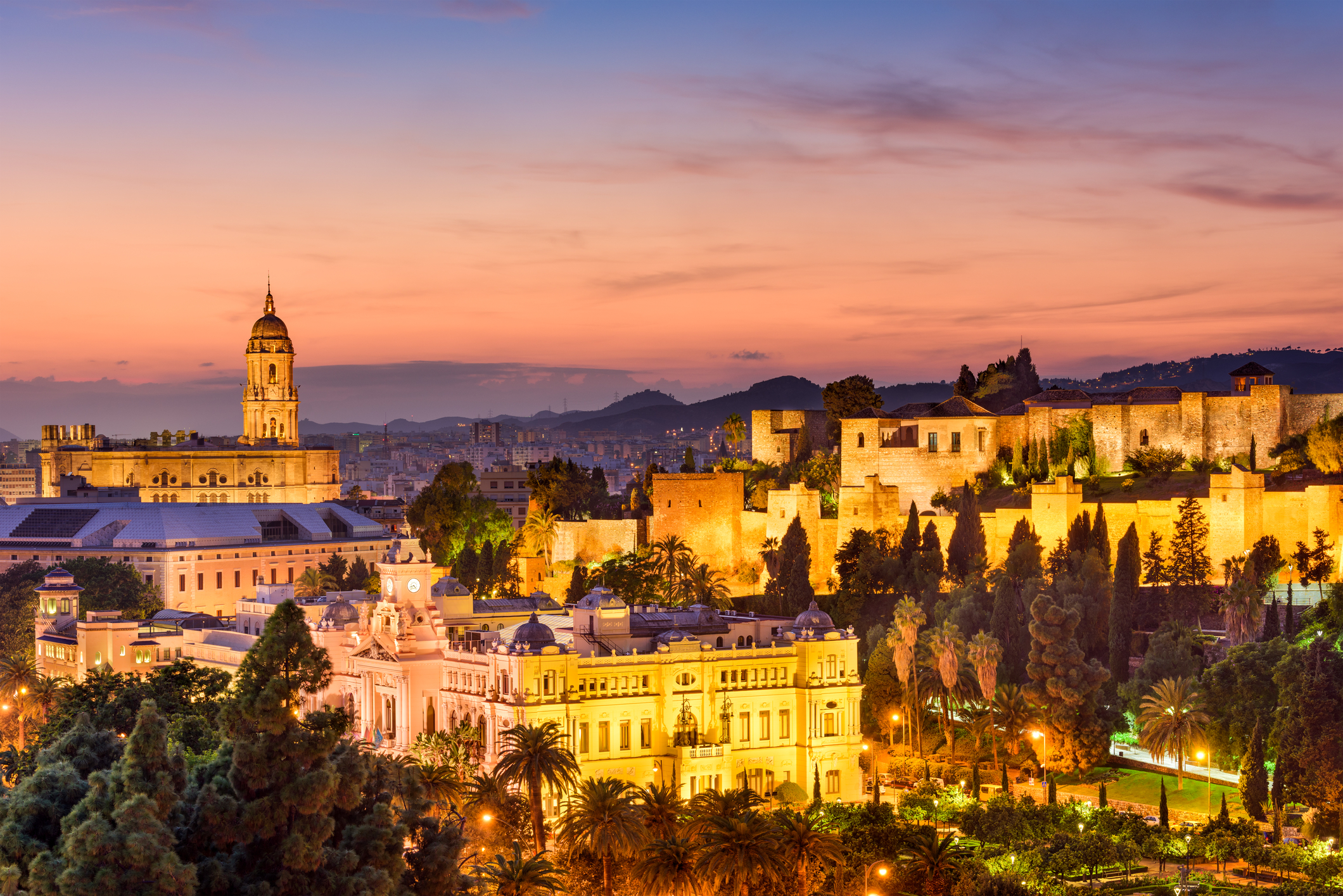
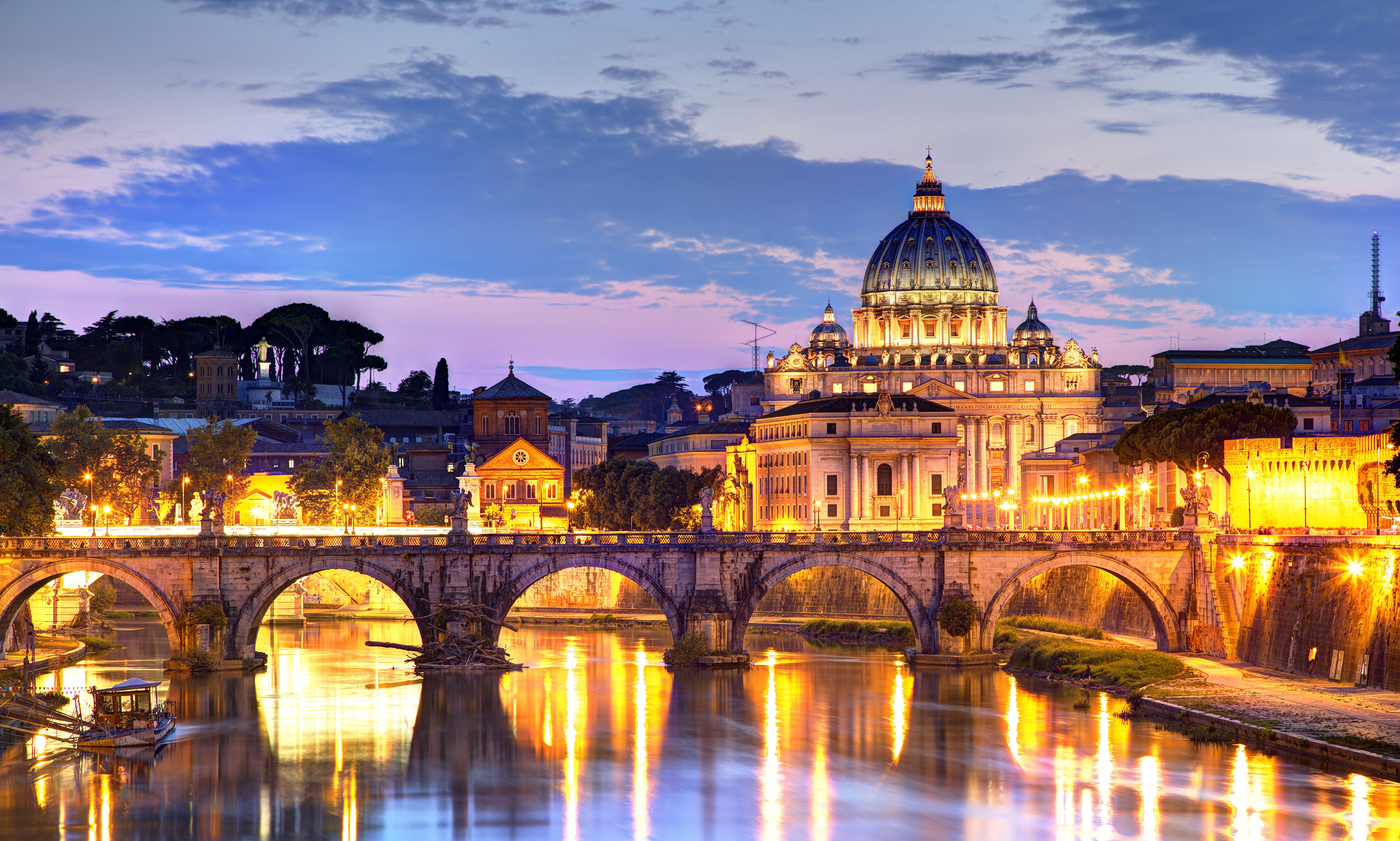
A weather anomaly is affecting many coastal cities in central-southern Italy and the Major Islands, particularly Naples, Bari, and Palermo.
Despite summer temperatures regularly reaching 30°C, dew formation has been observed in the evening hours, especially along the coasts.
This phenomenon, typical of cold seasons like autumn and winter, seems out of place in the middle of summer, raising many questions.
An unusual phenomenon in summer weather
The appearance of dew in summer clearly indicates a change in normal weather patterns.
During the cold seasons, the drop in nighttime temperatures leads to air saturation and the consequent condensation of water vapor.
But observing this process during a period of extreme heat is unusual.
The main factor contributing to this unusual event is an unusually high humidity level, often close to 100%. The African anticyclone, which has been dominating the Mediterranean for weeks, is keeping temperatures high and the air laden with humidity.
In this context, the sea temperature plays a crucial role.
The Mediterranean Sea has recorded temperatures above 30°C in several areas, promoting intense evaporation that saturates the atmosphere with water vapor.
This humidity, without significant air movements to disperse it, accumulates, creating ideal conditions for dew formation even in summer.
Humidity and heat: an oppressive combination
In the evenings of recent days, relative humidity has reached and exceeded 90% in many coastal areas of central-southern Italy and in some areas of the north, including the Po Valley.
The combination of this high humidity with very high temperatures has created conditions that resemble autumn more than summer.
The air, particularly muggy and heavy, makes the evenings hard to bear. Humidity is expected to continue increasing until the early days of September, maintaining an oppressive and muggy atmosphere due to the persistent presence of the African anticyclone in the Mediterranean.
This weather scenario not only makes it harder to cope with the heat but also alters normal seasonal patterns, as demonstrated by the surprising presence of dew in the middle of summer.
What we can expect for the future
This unusual weather situation does not seem likely to resolve quickly.
The persistence of high temperatures and high humidity levels will likely continue to influence summer weather in the central-southern regions of Italy and the Major Islands.
As autumn approaches, attention will inevitably shift to climate change and its long-term implications.
 Follow our feed