The long-awaited weather change that has been anticipated for weeks, if not months, could really arrive during the first decade of September.
The response comes directly from the main calculation centers, which highlight the great difficulties that the North African anticyclone will face in the coming weeks, due to the first cool infiltrations coming from the Atlantic and Northern Europe.
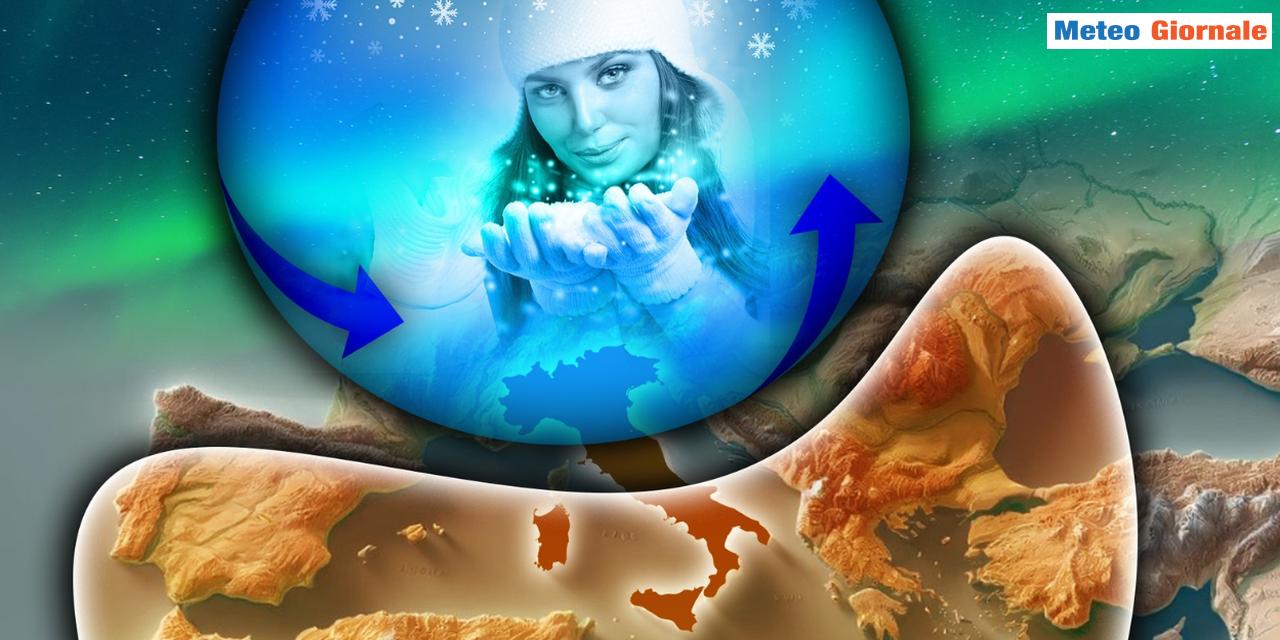
Awakening of the polar vortex
The polar vortex is awakening and, as the days go by, it will become increasingly vigorous, bringing some liveliness to the weather conditions over Europe. In short, the North African ridge will no longer be the only protagonist of the European weather scene, but will have to deal with the first real Atlantic and Northern European disturbances, ready to push the African heat southward and bring back some rain, thunderstorms, and a gradual drop in temperatures. Already during these last days of August, the anticyclone will show signs of difficulty, as some unstable flows of Atlantic origin will manage to cause scattered thunderstorms, especially in the inland areas.
However, these cool currents that will flow at high altitude will not be able to break the African heat, which is why it will continue to be quite hot not only at the end of August but also in the very first days of September.
The radical change after September 5
The situation could change radically after September 5, particularly around the 8th and 10th of the month, thanks to the arrival of much cooler and especially larger air masses, capable of staging a more equal fight with the North African ridge.
In this context, high pressure could suffer a real setback over the Mediterranean, favoring the arrival of more organized disturbances and especially a much more vigorous thermal drop from north to south. The latest weather trends for the period around September 10 show us temperatures much closer to the average for the period compared to the very anomalous values that we will record between the end of August and the first days of September.
 Follow our feed