 The summer of 2024 has left an indelible mark on the Italian peninsula, with July and August marked by unprecedented heatwaves.
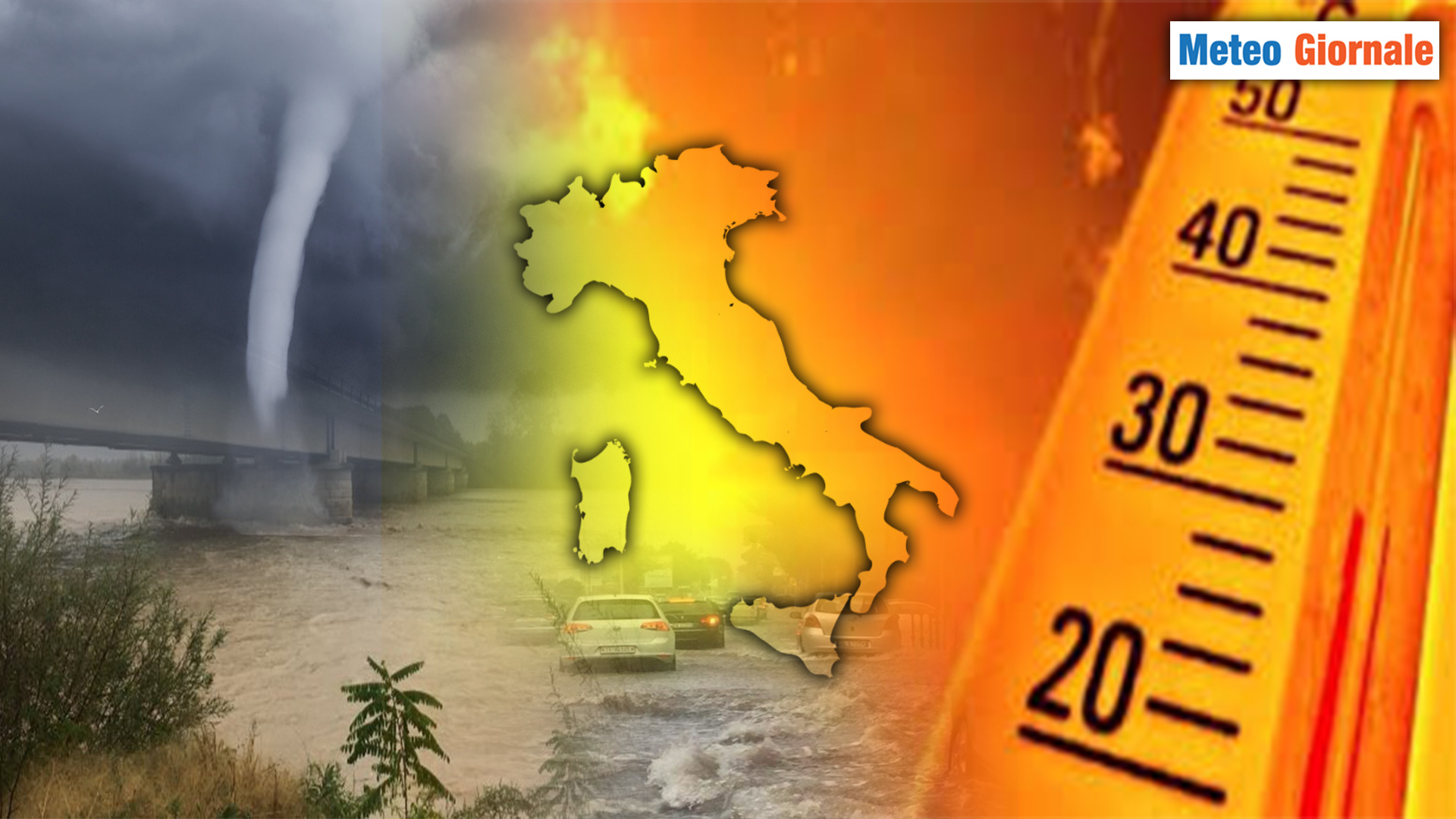
This period was characterized by exceptionally high temperatures, reaching and exceeding 40°C in several regions, imposing extreme weather conditions that tested both the population and the environment. This extreme heat, which affected the entire Southern Europe, was fueled by a combination of atmospheric factors that helped maintain high temperatures for consecutive weeks. The scorching heat phenomenon this year was primarily driven by a persistent high-pressure area located over North Africa, which extended to cover much of the central and western Mediterranean.
This “African anticyclone” created a sort of heat dome that blocked the normal flow of Atlantic currents, preventing the arrival of cooler and more humid air masses from the Atlantic Ocean.
As a result, Italy experienced consecutive days with temperatures well above the seasonal average, causing not only physical discomfort and health problems but also an increase in energy consumption due to the massive use of air conditioners and fans. Cities in Central Italy such as Rome, Florence, and Bologna recorded maximum temperatures nearing 43°C, while in Southern Italy, particularly in Apulia, Calabria, and Sicily, peaks exceeded 45°C.
These exceptional values, accompanied by high humidity levels, made the air unbearable, causing numerous episodes of heat strokes and respiratory problems, especially among the most vulnerable segments of the population. The consequences of this exceptionally hot summer could be felt in the following months, influencing the weather patterns of autumn 2024.
The accumulation of heat in the soil and waters of the Mediterranean Sea could have significant effects on autumn atmospheric dynamics, potentially altering the normal pattern of precipitation and temperatures. One of the main concerns is the possibility of an extension of the heat beyond the normal summer period. September, usually considered a transitional month towards milder temperatures, could see a prolongation of summer conditions, with still high temperatures, especially in the southern regions and major islands, such as Sardinia and Sicily.
This scenario is supported by some seasonal climate forecasts, indicating the possibility of above-average temperatures until mid-October. Moreover, the heat accumulated in the Mediterranean Sea during the summer could favor the development of intense meteorological phenomena, such as violent thunderstorms and flash floods, especially in coastal regions.
The warm sea water provides the necessary energy for the formation of particularly intense storm systems, which could more frequently hit Central-Southern Italy, causing significant damage to infrastructure and crops. Another effect not to be underestimated concerns agriculture. The extreme heat and summer drought have already caused a significant reduction in crops in many areas, particularly in the agricultural zones of Southern Italy.
If autumn continues with high temperatures and scarce rainfall, autumn crops could be further compromised, aggravating an already difficult situation for farmers. a warmer-than-normal autumn could also affect public health.
Prolonged high temperatures, associated with reduced nighttime ventilation, can worsen air quality in urban areas, increasing the concentration of pollutants and aggravating respiratory problems, especially for the elderly and people with pre-existing conditions. Autumn 2024 therefore promises to be a crucial season, where the consequences of the extreme summer heat could be felt for a long time, both in terms of weather conditions and socio-economic impacts.
As Italy prepares to enter the autumn months, uncertainty reigns supreme, with the hope that nature does not reserve further extreme climatic surprises.
 Follow our feed