The weather trends for the beginning of 2025 are expected to be extremely dynamic and full of interest, both for Europe and Italy.
The weather models have been showing for several days now significant movements indicating the arrival of an important phase of frost and snowfall for much of the northern hemisphere.
While significant events are expected in the United States, Europe is also preparing to face an Arctic cold wave with potentially significant consequences.
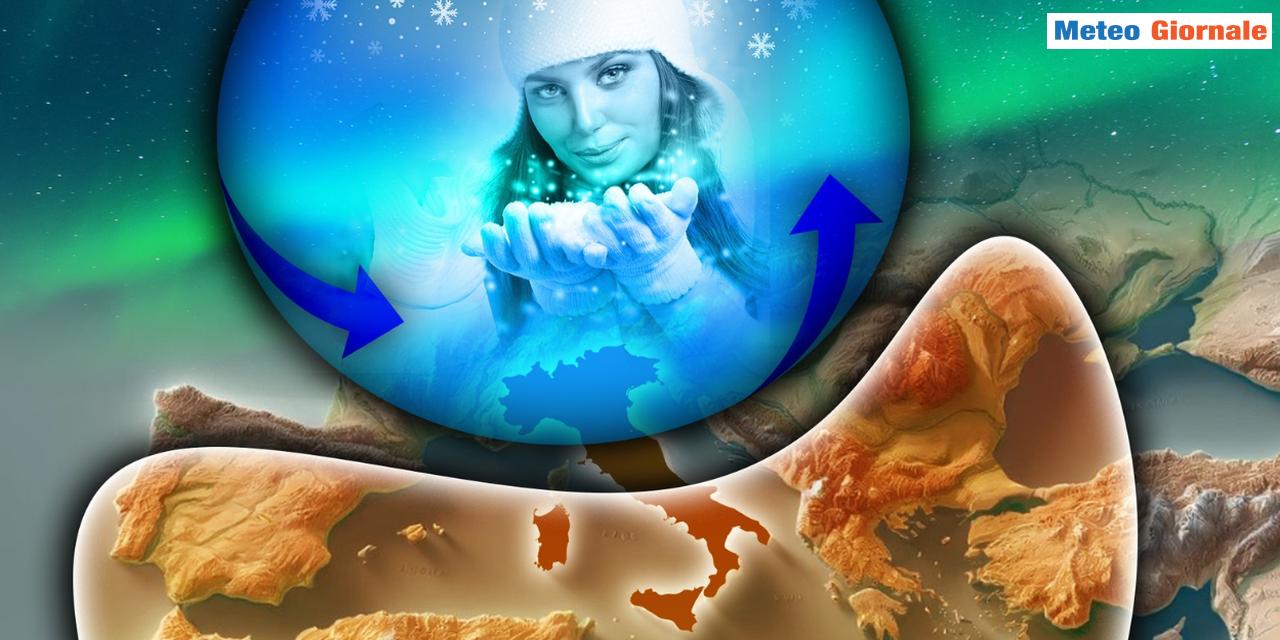
The predicted atmospheric configuration sees the Azores high rising towards the northern latitudes of the Atlantic, thus favoring the descent of Arctic currents towards the heart of Europe between January 2 and 6.
This evolution, now almost certain, raises questions about what follows: will the frost continue to affect the continent, or will the interaction with Atlantic masses lead to a thermal softening accompanied by widespread snowfall?
The first consequences of the Arctic incursion would manifest with abundant snowfall in the central-northern countries, including Norway, Denmark, Germany, Poland, the Baltic States, the Czech Republic, Switzerland, and Austria.
Subsequently, the Balkan areas could find themselves at the center of significant snow events. The expected temperatures will drop below freezing in much of Europe, with negative highs in many cities such as Berlin, Prague, Paris, Basel, Budapest, and Vienna.
Although this cooling represents a marked winter phase, no exceptional frost is expected, unless specific atmospheric configurations occur.
A key factor will be the behavior of a cold drop over the Atlantic.
If this were to hinder the elevation of the high towards the north, it could compromise the intensity and duration of the cold in Europe.
The evolution of this element will also determine the meteorological fate of Italy.
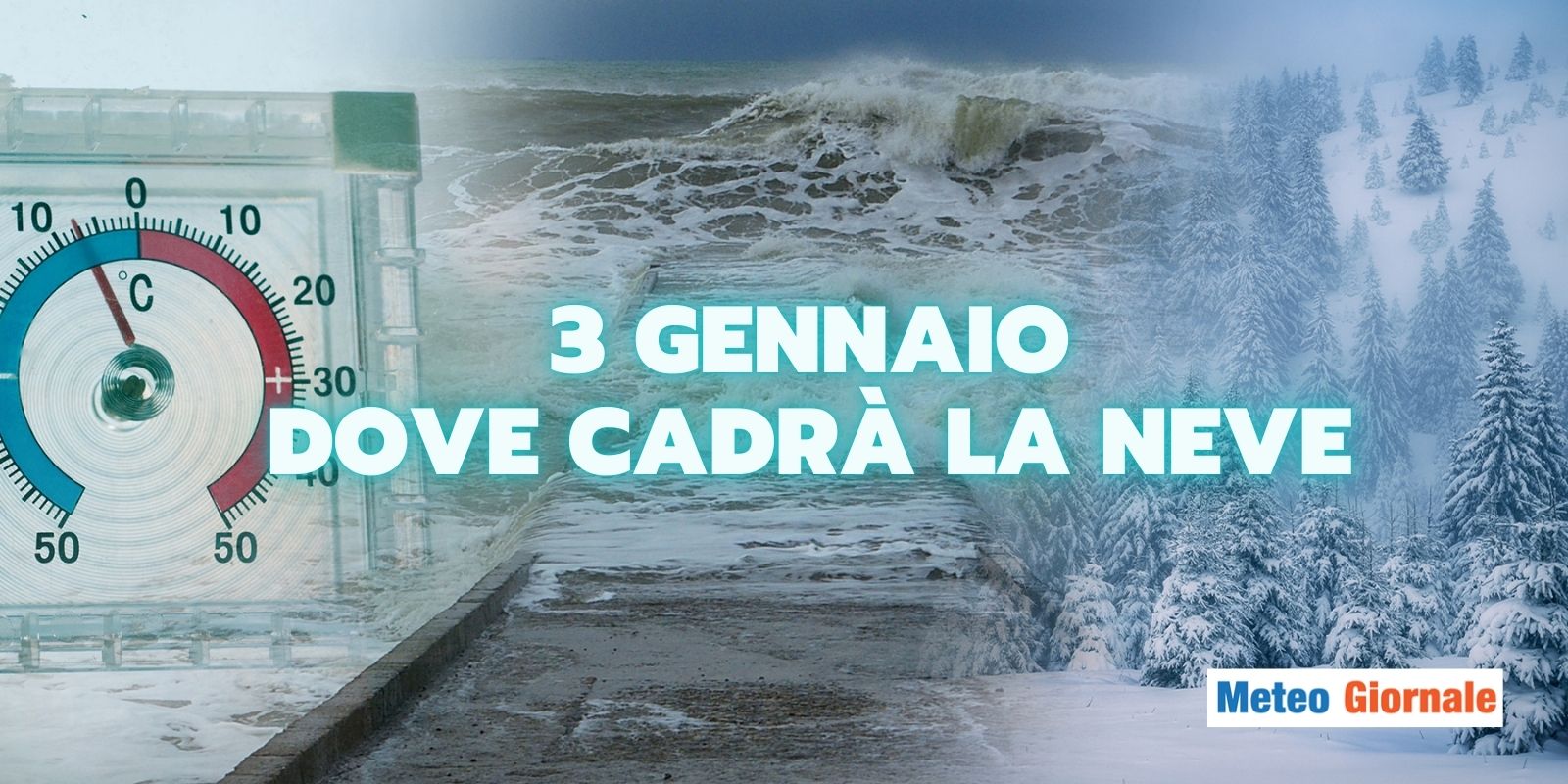
In our country, the temperature drop is expected to start from January 3, with the arrival of a cold phase that could also bring snowfall.
However, current projections do not yet allow for a precise delineation of the intensity and location of such phenomena.
It will be essential to closely monitor the next model updates to better understand the developments of this dynamic atmospheric situation.
 Follow our feed