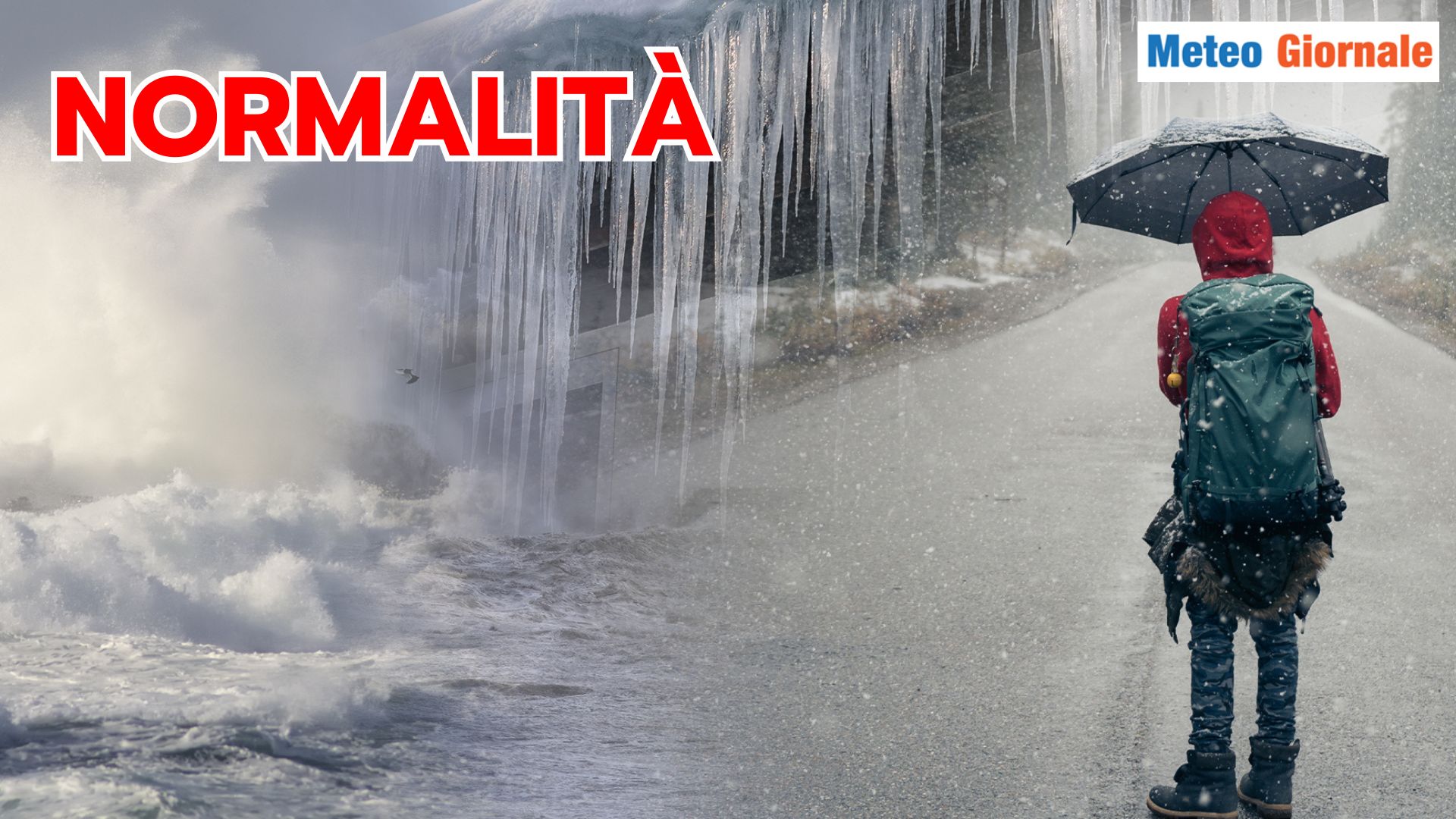
 In January, the ideal climate would require a combination of cold, snow, and precipitation, elements that represent the essence of winter.
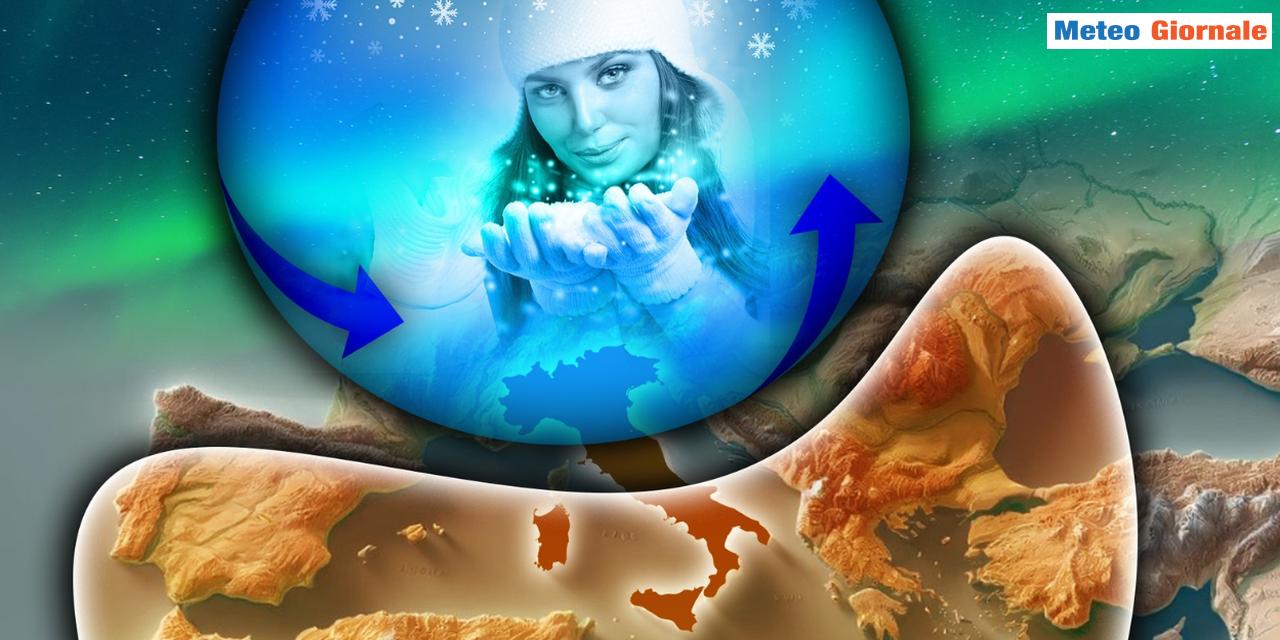
Phenomena such as High Pressure, Atlantic disturbances, or Arctic air intrusions play an essential role in defining the meteorological framework of the month.
In recent years, however, an abnormal trend has occurred: long periods of atmospheric stability have prevailed, altering the concept of seasonal normality. This month, along with February, marks the peak of winter, with an increased likelihood of cold and snowy phenomena.
The idea that High Pressure dominates the entire period is an oversimplification: although winter “droughts” are typical, they should never be excessively prolonged.
In a typical winter, the alternation between Atlantic disturbances, cold, and stable phases is fundamental to maintaining a meteorological balance.
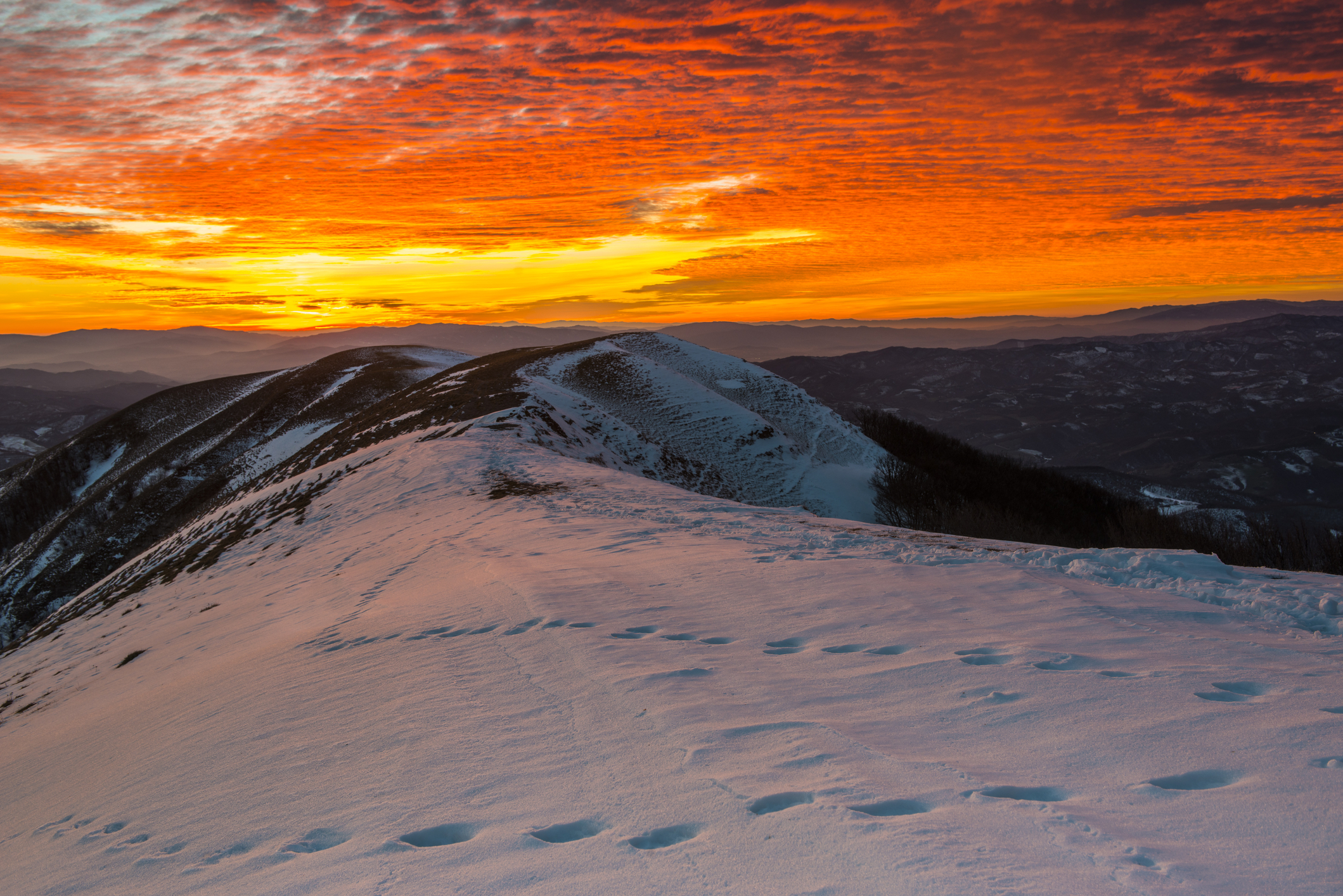
Snowfalls in the mountains and, occasionally, at low altitudes are a distinctive sign of a January in line with climatic averages.
Even though we are not in Lapland or the heart of Central Europe, our Mediterranean climate should still ensure cold temperatures and conditions in line with the season. Atlantic disturbances, which bring rain and snow to the mountains, are a crucial element of winter. The alternation between precipitation and high pressure helps preserve water reserves and ensure a balanced distribution of meteorological phenomena.
Snow, in particular, is essential for the mountains.
The Alps and the Apennines, without significant snow accumulations, suffer severe repercussions, both environmentally and economically, affecting winter tourism and water reserves for subsequent seasons. Arctic air intrusions or Siberian cold spells are often the highlights of winter.
These events, associated with temperatures below 32°F and low-altitude snowfalls, fully fall within the meteorological normality of January.
However, in recent years, such episodes have become increasingly rare due to the persistence of anticyclones that bring milder conditions.
The absence of intense cold and snow in the plains not only impoverishes the winter landscape but also contributes to imbalances that manifest in the long term, damaging ecosystems and the hydrological cycle. In recent winters, High Pressure has often blocked the arrival of Atlantic disturbances, causing a drastic reduction in rain and snow.
This has led to a sort of seasonal “abnormality,” where winter increasingly resembles autumn or spring.
The lack of intense cold and widespread snowy phenomena has had a significant impact not only on the landscape but also on agriculture and water needs. Winter 2025 could bring a turning point if certain atmospheric conditions occur in the right way. The arrival of Arctic intrusions, a return to low temperatures, and the restoration of Atlantic disturbances could bring back a long-awaited seasonal normality.
A combination of cold, snow, and regular rains would be enough to rediscover the authentic character of January, which in recent years seems to have been lost.
 Follow our feed