In the last few hours, Italy has been experiencing a wave of winter cold due to a cold impulse coming from the Balkans, which has led to a significant drop in temperatures.
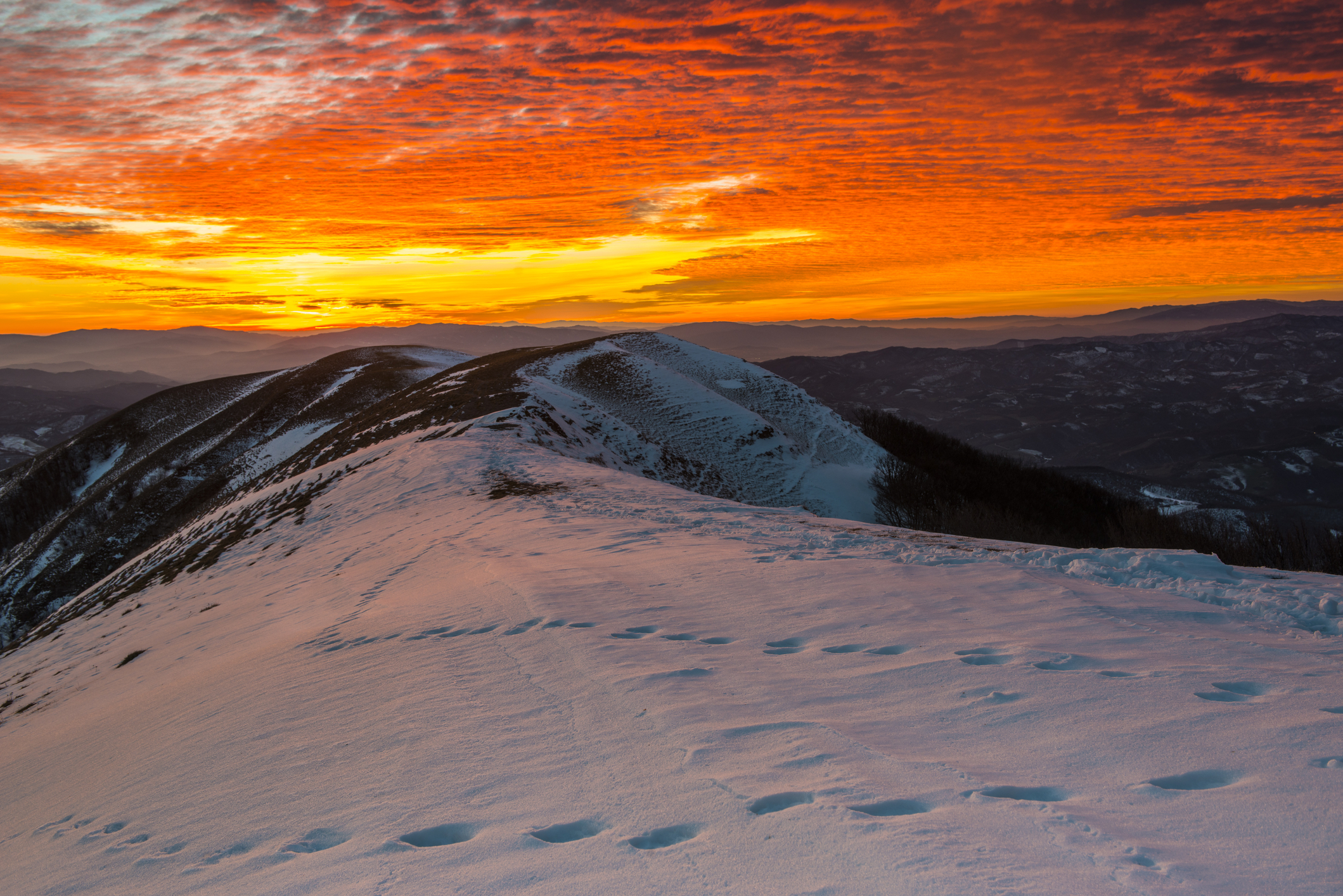
The central regions of Italy and the Adriatic regions have been the most affected, with episodes of atmospheric instability that have seen rain, showers, and snowfall down to relatively low altitudes, even around 900/1000 meters.
This weather scenario has caused the entire Peninsula to experience a climate with a distinctly winter flavor, with thermal values generally below the seasonal average. Although it is not unusual to record such conditions in mid-November, in a context where we are used to temperatures often (or almost always) above normal, this episode does not go unnoticed.
The temperature drop has attracted attention precisely because of the contrast with recent climatic trends that, even in recent weeks, have seen a warmer than average thermal trend.
The sharp drop in temperatures and the return of snow to interesting altitudes therefore represent a noteworthy event. The weather situation is expected to improve in the coming days.
From Sunday to Tuesday, a gradual rise in temperatures is expected thanks to the return of milder currents from the southwestern quadrants.
This warmer air will bring a temporary rise in temperatures with values returning above average, especially in the Center-South.
A change that will make us breathe mild air again, with temperatures that we might find pleasant, although with conditions worsening again at the beginning of the week. This phase of milder weather, however, will be short-lived. From Wednesday, November 20 and Thursday, November 21, meteorological models indicate a new drastic change.
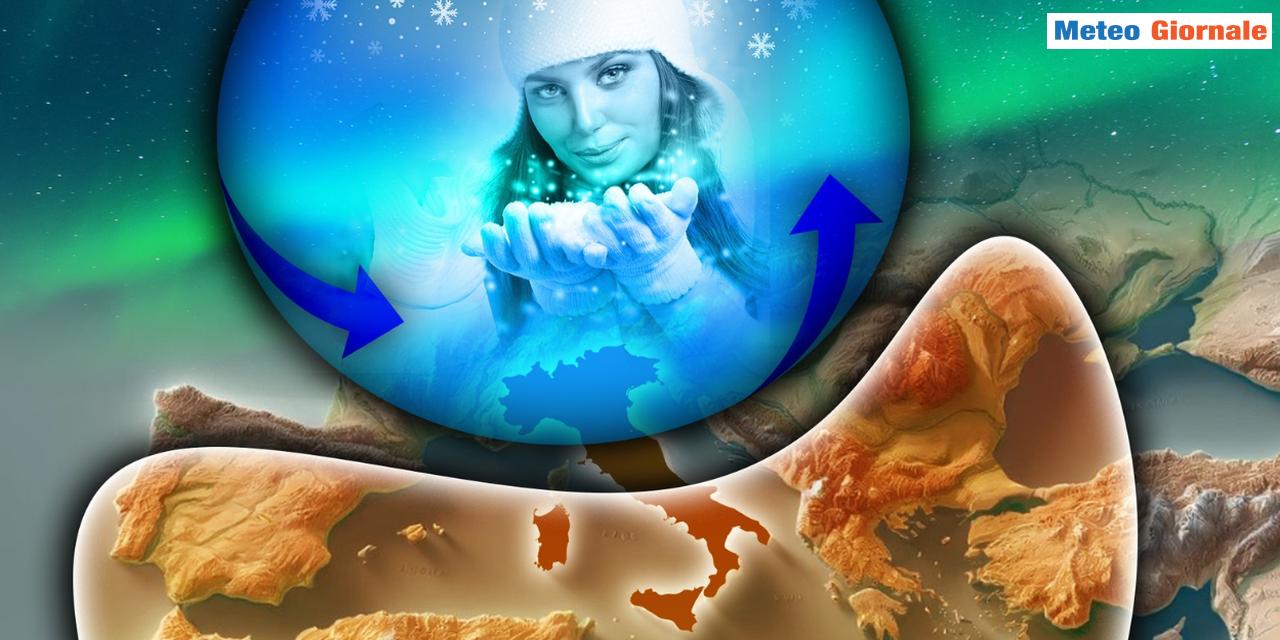
An influx of Arctic air, this time descending from Northern Europe, could hit Italy, bringing with it a significant drop in temperatures, initially in the North and then rapidly extending to the Center-South.
The latest model projections indicate a less intense cold entry on our peninsula compared to yesterday’s elaborations, but we would still witness a significant drop in temperatures especially in the central-northern regions, with the possibility of new snowfalls. It should be noted, however, that it is premature to go into details at the moment.
The dynamics of the Arctic trough and its trajectory over the Mediterranean still present uncertainties, with weather models not entirely agreeing on the intensity and evolution of the incoming cold.
It will be necessary to closely monitor the next updates to confirm the actual extent of this new deterioration.
 Follow our feed