Italy is preparing to experience a significant meteorological shift, with Winter finally seeming ready to take control after an unusually mild Autumn.
This sudden transition to colder climatic conditions is a natural reaction to the excessive warming accumulated during the Autumn.
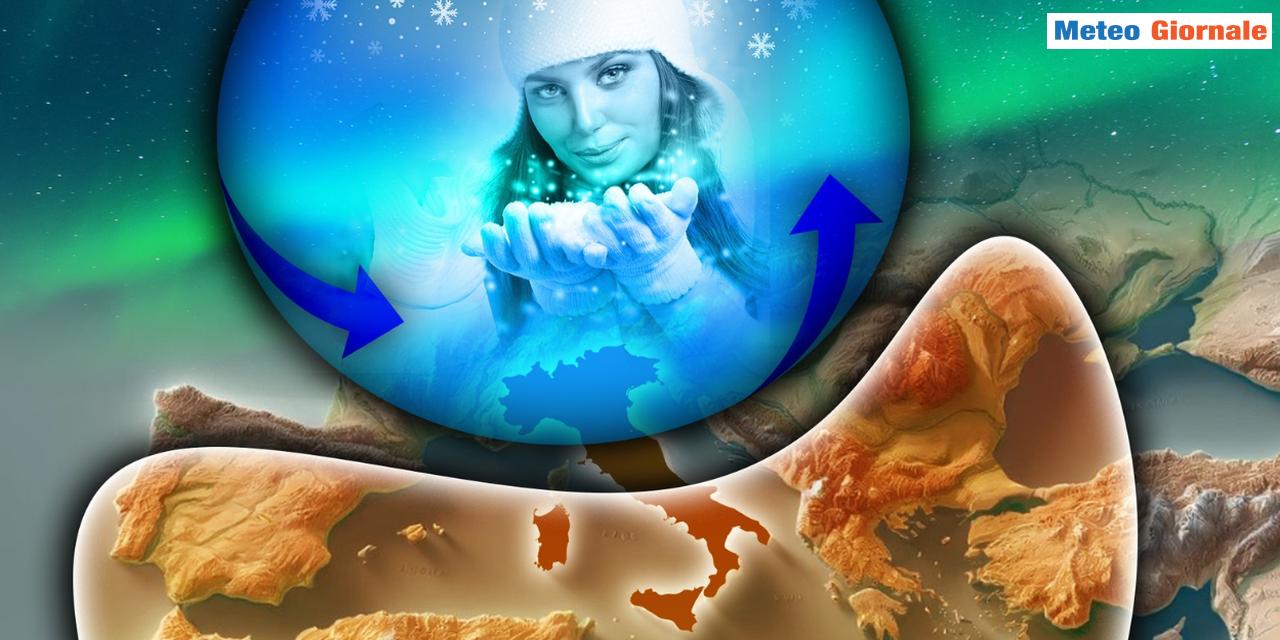
The latest weather projections indicate the imminent arrival of a cold air mass coming directly from the Arctic. This cold front is expected to rapidly lower temperatures across the country, bringing the first significant snowfalls in the Alps starting from 700-800 meters.
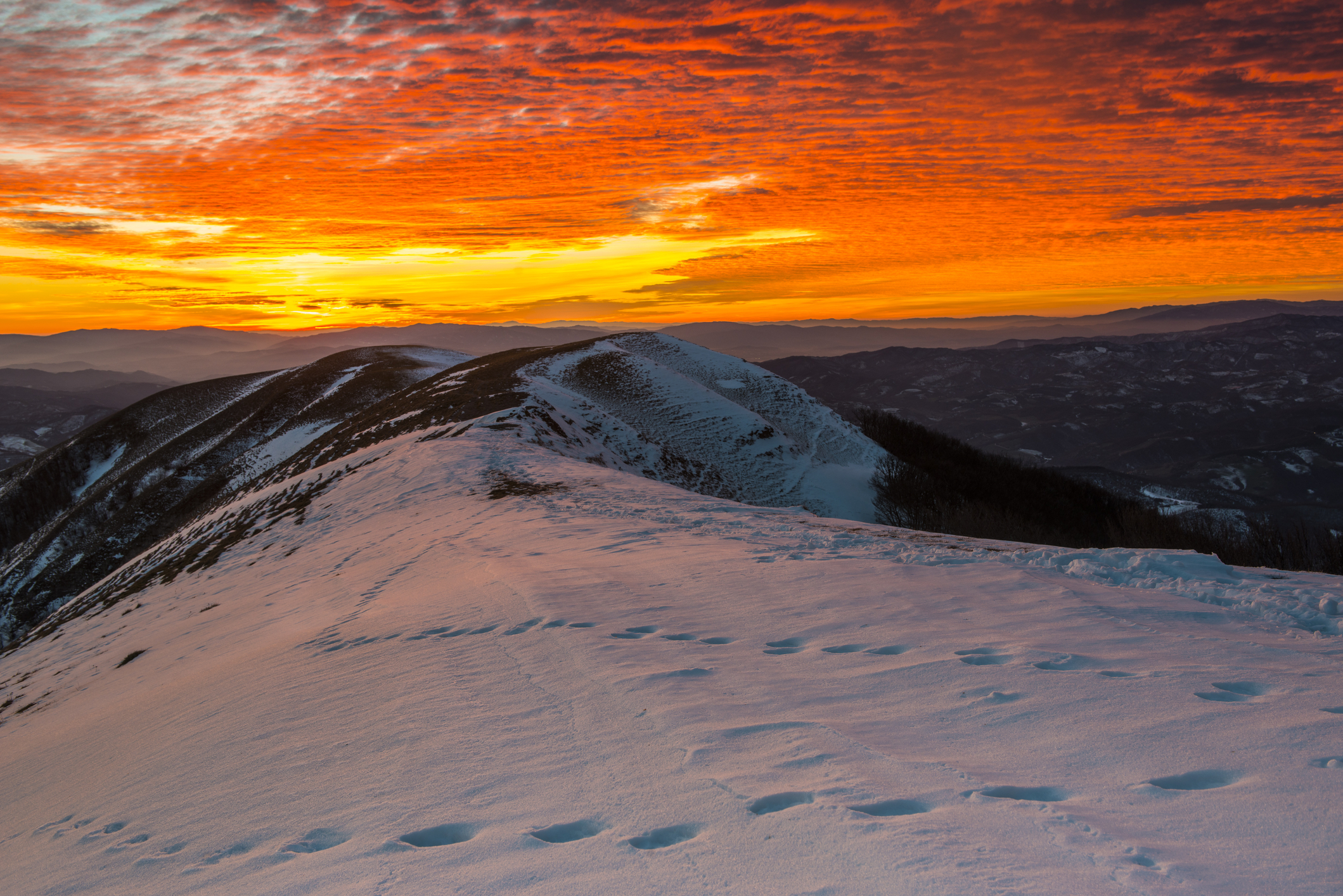
Snow is also expected in the central Apennines, with the possibility of substantial accumulations from 900 meters upwards.
Regions in Central Italy, such as Abruzzo and Marche, could see the first snowflakes in the coming days.
December and January: Snowfalls expected down to the plains?
Forecasts for the months of December and January indicate that Italy could experience a colder Winter compared to recent years.
The intermittent presence of the Azores High could allow cold waves from Northern Europe and, in some cases, even from Siberia.
This configuration could bring abundant snowfalls not only in the Alps and Apennines but also in the plains of Northern Italy.
In particular, weather models suggest that the second half of December could be characterized by intense cold conditions and snowfalls that could reach cities like Turin, Milan, and Verona.
The Adriatic regions could also see snow down to low altitudes, with the possibility of accumulations even along the coast.
January could be the coldest month, with temperatures potentially dropping below -5°C in many areas of Central-Northern Italy.
Experts do not rule out the possibility of “burian” episodes, the icy wind coming from Siberia, which could bring biting cold and snow even to the Tyrrhenian coasts.
February and March: A prolonged Winter?
With the arrival of February, atmospheric conditions could intensify further.
Some seasonal models indicate the possibility of a new wave of Siberian cold that could hit Southern Europe, including Italy.
If this scenario were to occur, we could witness a prolonged Winter, with late snowfalls that could also affect cities in Central-Southern Italy like Rome and Naples.
March, on the other hand, could bring unstable weather, with alternating mild days and sudden returns of cold.
It is possible that Spring might struggle to take off, with frequent disturbances that could delay the typical seasonal temperature rise. However, towards the end of March and the beginning of April, we should see a gradual increase in temperatures, with a more decisive transition to spring conditions.
Spring: A return to normality?
Despite the possible initial difficulties, April and May should finally bring more stable and pleasant weather.
The arrival of Spring will be gradual, but the days will lengthen, and temperatures will begin to rise, bringing the much-anticipated warmth after a Winter that could turn out to be one of the coldest in recent years.
So, let’s prepare to experience weeks of great interest for those who love to follow atmospheric dynamics: Winter finally seems ready to get serious, bringing cold, snow, and perhaps that touch of magic that only the winter season can offer.
 Follow our feed