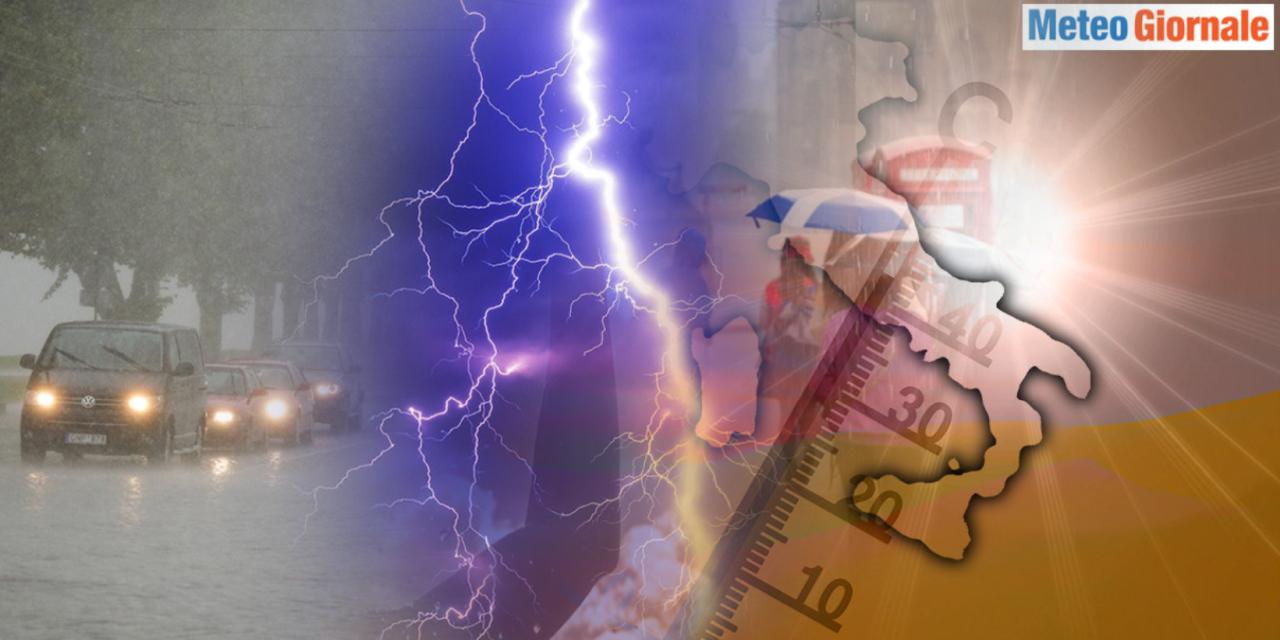
An unusual heatwave could hit Italy in early November, yet another anomaly we have become accustomed to.
Current forecasts indicate a period with temperatures well above the seasonal average, more similar to early autumn or late summer values than to full autumn.
Influence of North African currents
Current atmospheric conditions show the arrival of a warm air mass from North Africa that could affect much of the Peninsula.
The Central-South regions will be the most affected, but even the North will see high temperatures, with values in many cities potentially exceeding 20°C, well above the November average.
This phenomenon will bring sunny days and mild weather, but also some undesirable effects. This thermal anomaly is due to a high-pressure system established over the Mediterranean area, which blocks the normal passage of autumn disturbances, usually associated with rain and cool temperatures.
Although such situations are not new, their intensity and duration seem to indicate a more frequent recurrence in the future.
Consequences on agriculture and wildlife
The out-of-season heat has significant effects on agriculture.
High temperatures can compromise crop growth, altering the natural cycles of vegetation. Some crops that should be at rest risk blooming prematurely, with repercussions on future productions.
This phenomenon can also delay autumn harvests such as olives and grapes, affecting land management. Wildlife is also affected by such conditions: mild temperatures alter animal behaviors, from bird migrations to mammal hibernation.
Insects, for example, could continue to proliferate, increasing the risks of spreading diseases transmitted by them.
Prospects and climate change
Forecasts indicate that above-average temperatures could continue for the next ten days, with a possible drop only towards mid-November.
Although events of this type are not unprecedented, they represent another sign of ongoing climate change.
The increase in global average temperatures is destabilizing traditional weather patterns, making extreme events like unusual heat in autumn and winter more common. The persistence of such phenomena highlights the urgency of addressing climate change by reducing greenhouse gas emissions and promoting sustainable energy policies.
 Follow our feed