During the winter, the arrival of the anticyclone often brings stable atmospheric conditions which, on one hand, result in clear days, but on the other hand, present a series of distinctive side effects. The anticyclone is characterized by an area of high pressure that promotes the descent of air towards the ground, warming it, and blocks atmospheric disturbances.
In this context, especially in flat areas and valleys, the phenomenon of thermal inversion frequently occurs.  Thermal inversion, typical of winter nights during anticyclonic phases, occurs when the ground, cooling rapidly, also cools the nearby air, while the air at higher altitudes maintains higher temperatures. This condition is favored by atmospheric calm and the absence of wind, preventing the mixing of air layers at different temperatures. Winter thermal inversion creates an unusual thermal stratification, with cold air trapped in the lower layers and warmer air above it. The consequences are significant: flat areas or valleys experience particularly cold temperatures, the formation of persistent fog and low clouds that can reduce visibility for the entire day.
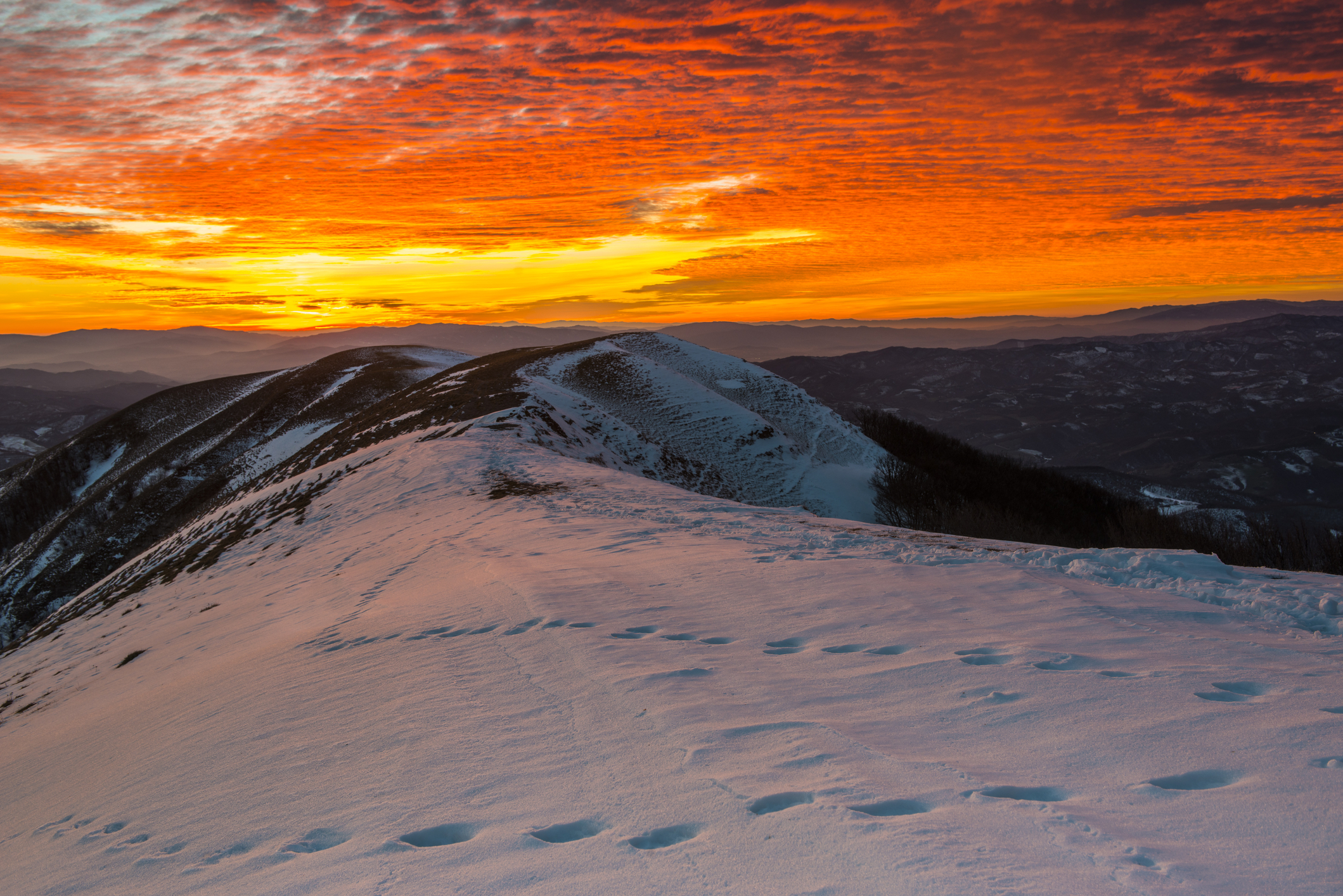
In the hills, however, a milder climate and clear skies are often observed, in contrast to the conditions in the lower areas.  In addition to the effects on visibility, thermal inversion has a direct impact on air quality.
The stagnant air in the lower layers facilitates the accumulation of pollutants from traffic, heating, and industrial activities.
This atmospheric “cap” prevents the dispersion of pollutants, creating smog conditions that can become problematic in large cities. This ‘process’ can last for days or weeks, exacerbating the pollution problem and leading to an increase in energy demand for heating in colder areas.
In this sense, winter anticyclone and thermal inversions require careful management to limit their effects on the environment and society, particularly in areas prone to fog and pollutant stagnation.
 Follow our feed