In recent years, the weather has shown increasing unpredictability, especially during Autumn, a season that was once synonymous with a gradual transition between Summer and Winter.
Today, however, September and October are characterized by much more marked meteorological fluctuations, with alternating periods of High Pressure and waves of bad weather that mainly affect Northern and Central Italy.
The beginning of Autumn is often marked by a rapid change in atmospheric conditions.
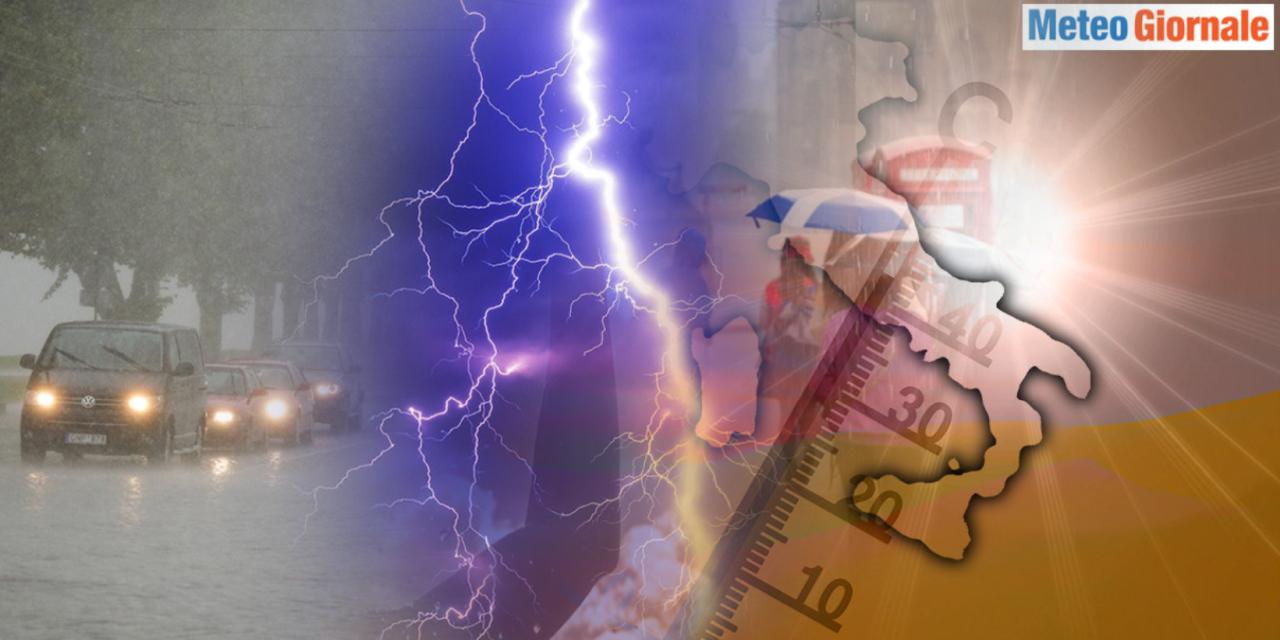
In September, in fact, the Anticyclone can still maintain some influence, prolonging the effect of Summer, but it is equally common for the first disturbances to bring sudden thunderstorms and rains.
This year, September has shown variable temperatures ranging between 15°C and 25°C, with sudden heat peaks followed by sharp drops.
Lombardy, Veneto, and Piedmont have already faced heavy storms and intense thunderstorms, with significant damage.
October, on the other hand, represents an even more uncertain month.
Despite the possible return of the Anticyclone bringing some “ottobrata” days, with temperatures that can exceed 30°C, sudden cold waves are also expected.
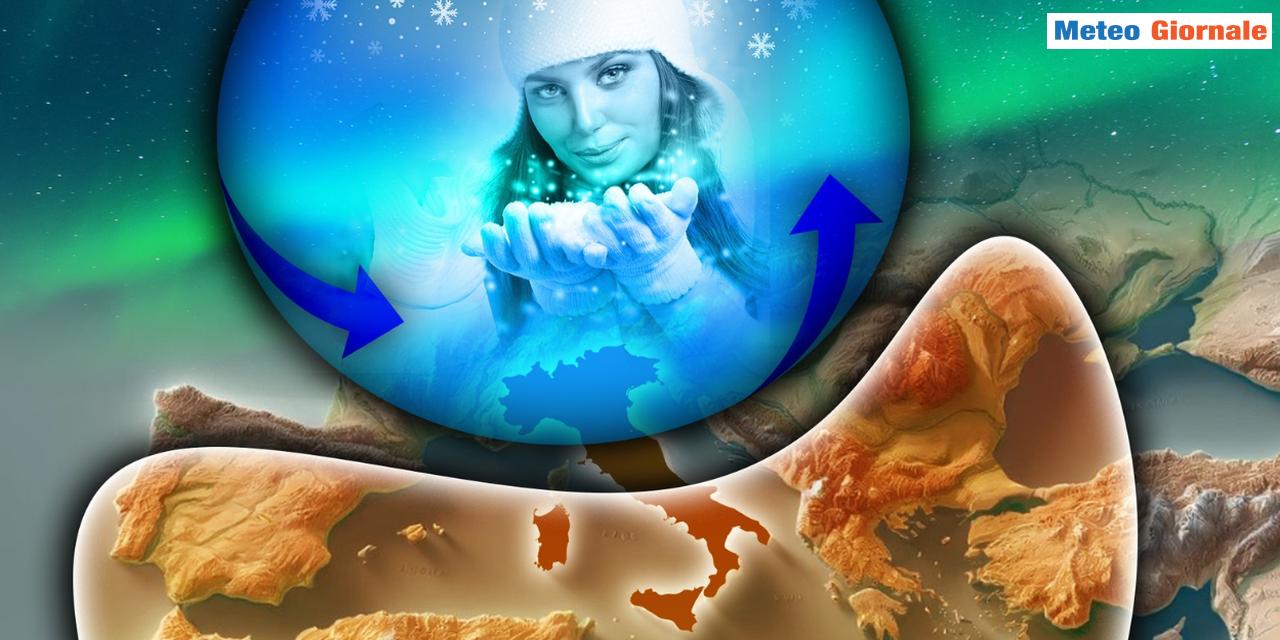
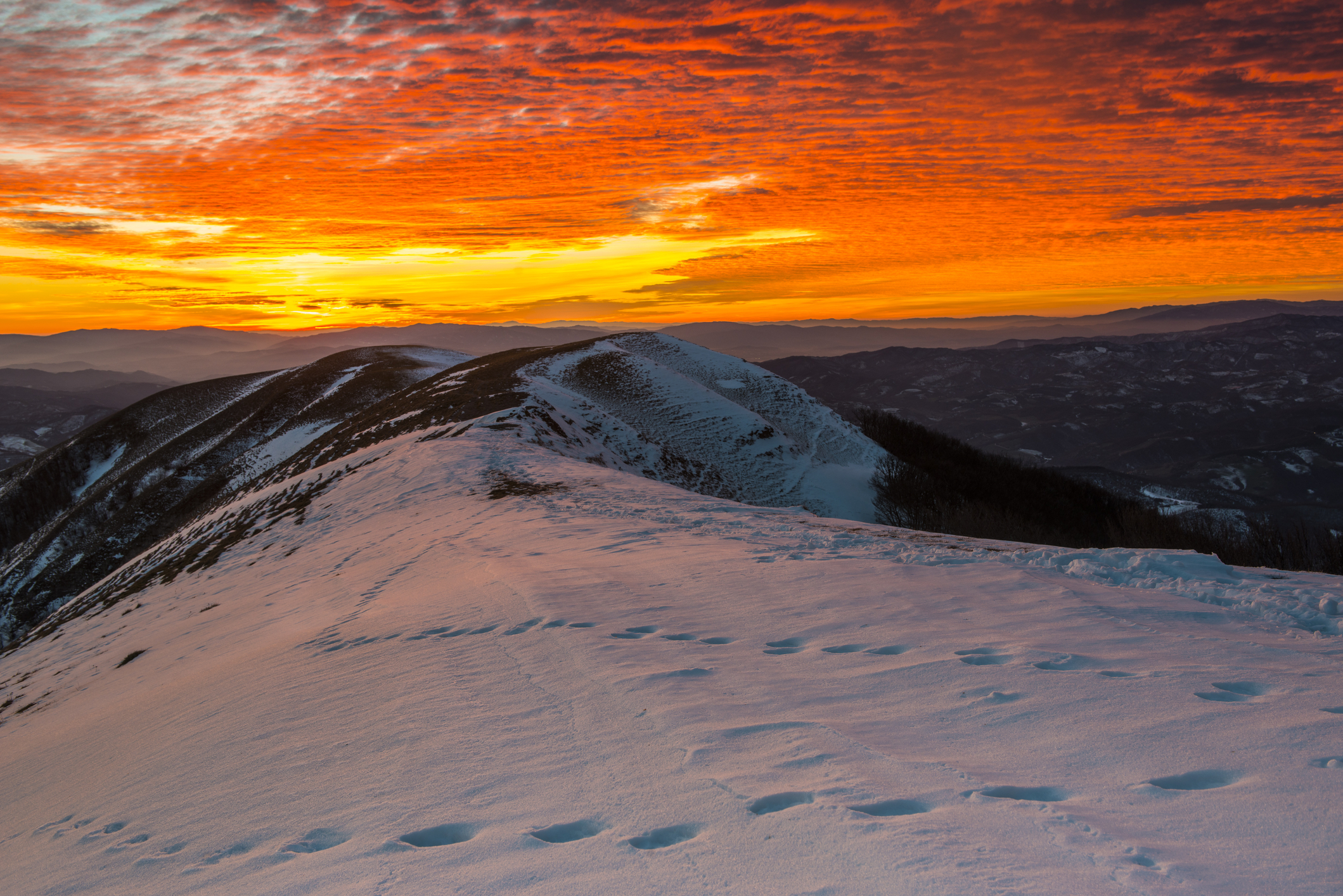
This month is characterized, in fact, by its dualism: on the one hand, it is possible that the Major Islands, such as Sicily and Sardinia, still experience warm and sunny days, while Northern Italy could already witness the first snowfalls on the mountain ranges, especially in the Alps.
The typical Autumn disturbances are not limited to rains.
October and November could be the stage for intense weather phenomena such as hailstorms, strong winds, and in some cases real Mediterranean cyclones, called “medicanes,” which could hit the southern regions.
Projections indicate the possibility of storms that could bring significant rainfall accumulations, with the risk of flash floods.
Southern Italy, particularly regions like Calabria and Puglia, is often the target of these waves of bad weather.
Night temperatures during the autumn months tend to drop rapidly, especially in the inland areas of Central and Northern Italy.
If during the daytime the climate can still be mild, with peaks exceeding 20°C, at night it easily drops below 10°C, leading to a marked thermal excursion.
This phenomenon mainly occurs in the Apennine and Alpine areas, where sunny days can be misleading about the true nature of the seasonal change.
Autumn weather is made even more unpredictable by ongoing climate changes, which have increased the frequency and intensity of extreme events.
Experts warn that this trend could intensify in the coming years, making it increasingly important to closely follow forecasts and weather bulletins.
Waves of bad weather are often accompanied by violent phenomena such as tornadoes and lightning storms, which can cause damage to infrastructure and endanger people’s safety.
In Southern Italy, moreover, Autumn can bring with it a recurring problem: drought.
Despite the intense rains expected, the distribution of precipitation is not uniform, and some regions could continue to suffer from water shortages.
This makes the need for continuous monitoring of water conditions even more urgent. the months of September and October are increasingly characterized by significant climatic variability, with out-of-season heat phases alternating with rapid cold incursions.
High Pressure and the Anticyclone can guarantee a few days of respite, but the arrival of more violent disturbances is always around the corner.
 Follow our feed