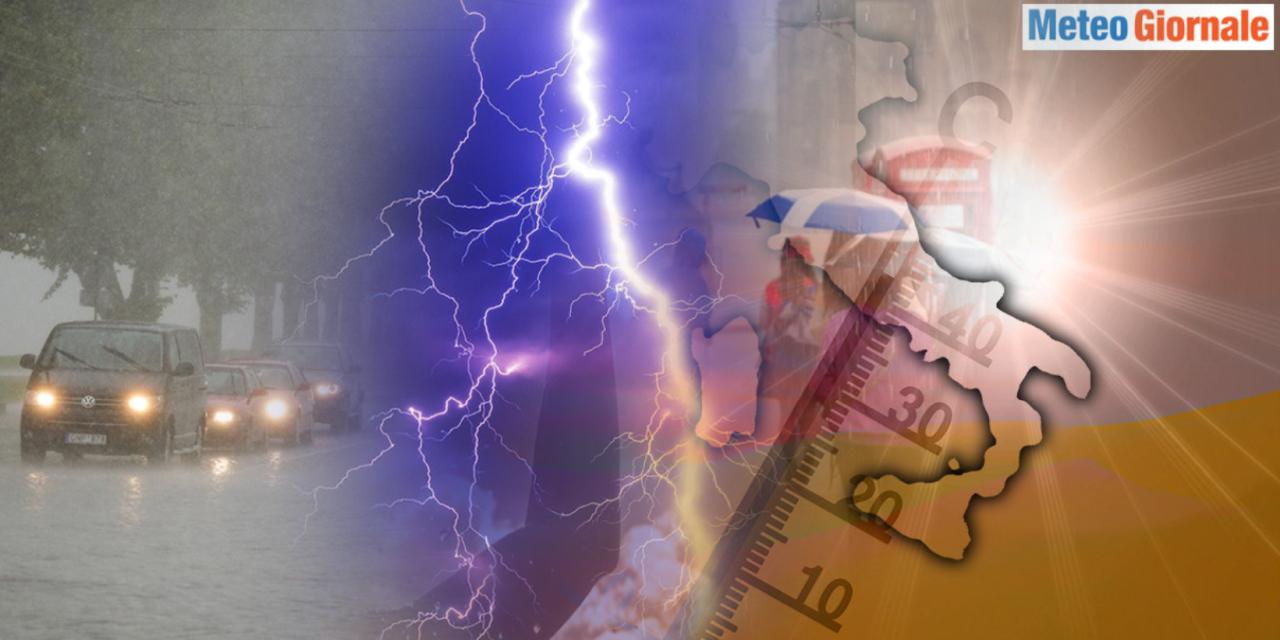
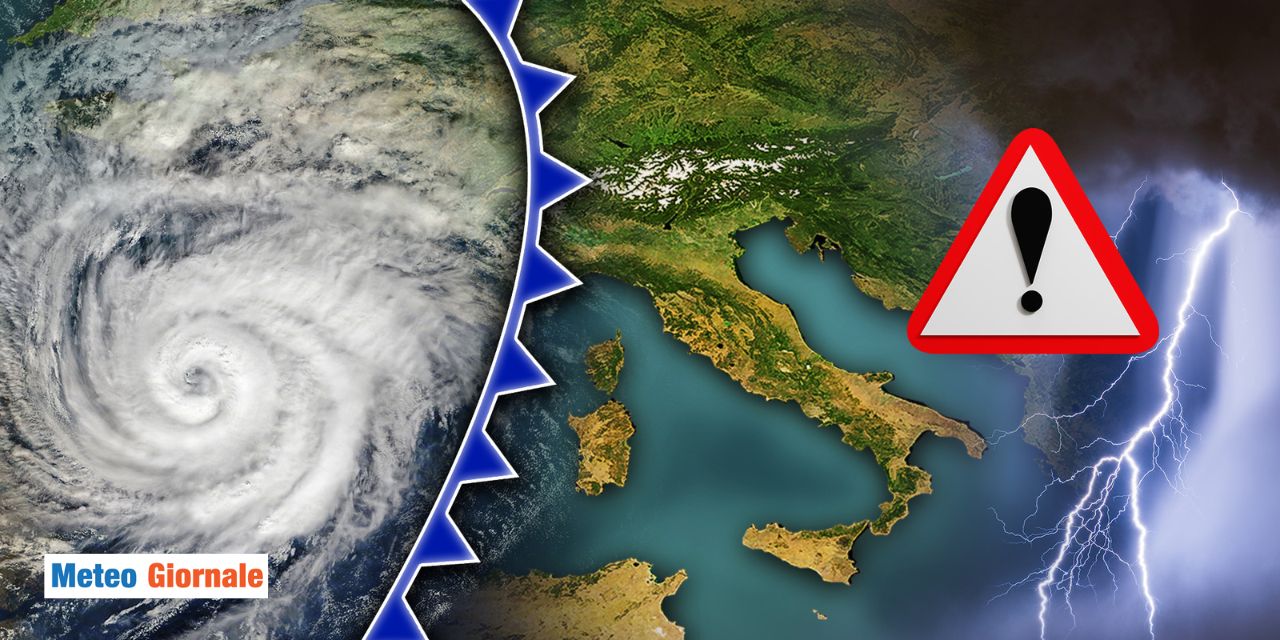
 An intense autumn cyclone is ready to impact Italy in the coming hours, bringing instability to much of the country, with more marked effects between today and Friday.
This cyclone, with late autumn characteristics, will mainly affect Northern and Central Italy, gradually extending towards Southern Italy and the lower Tyrrhenian coast. The first consequences of the cyclone will be felt as early as today, with heavy rains and thunderstorms hitting Central-Northern Italy and the lower Tyrrhenian. Friday, these conditions will also move towards the South, while keeping Central Italy under constant precipitation.
The rains will be widespread and persistent, leading to a general deterioration of weather conditions.
Strong winds and temperature drop
In addition to the rains, the autumn cyclone will bring with it strong winds coming from the north, accompanied by an influx of cold and unstable air.
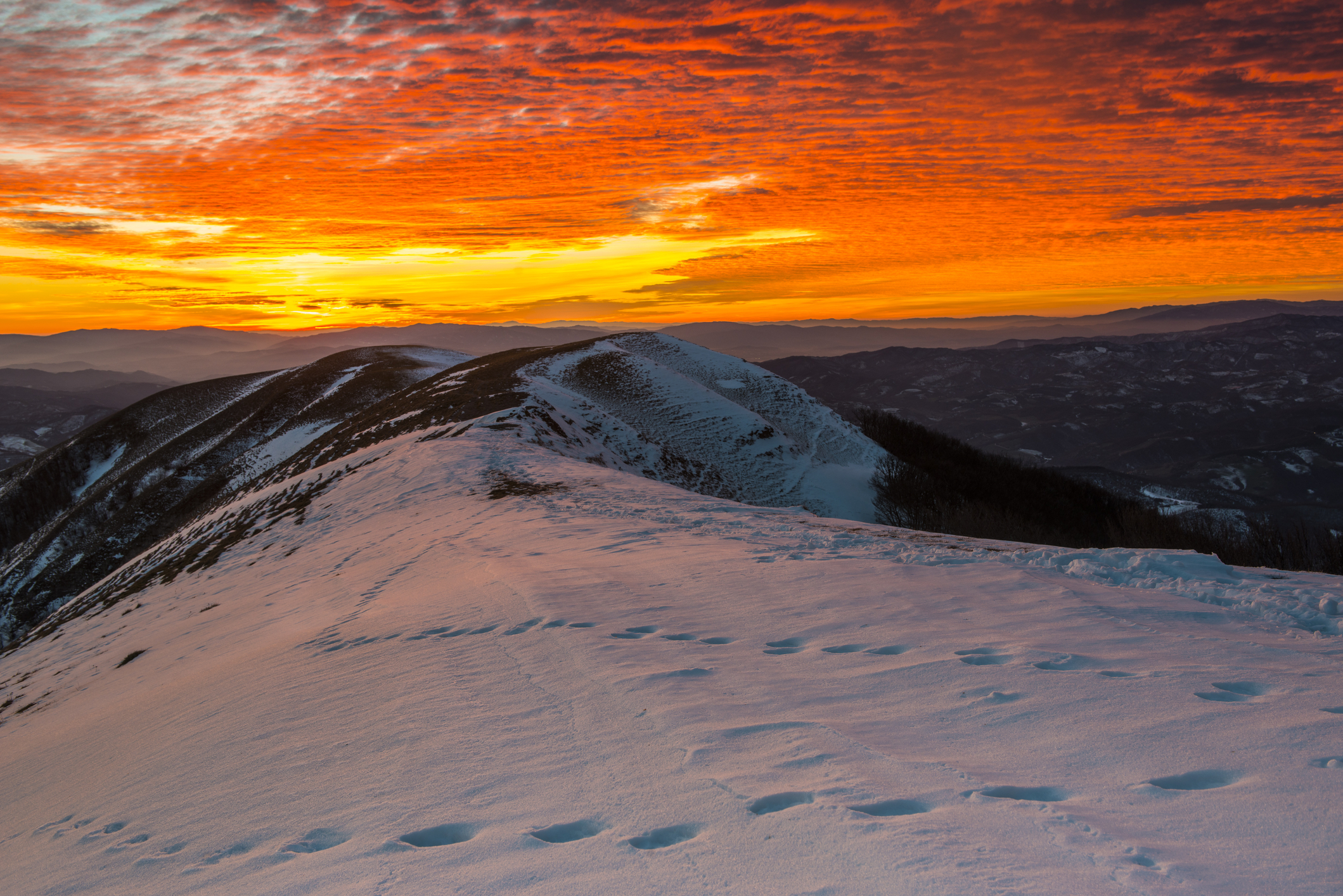
This change will be particularly visible in the alpine areas, where temperatures will drop sharply, bringing snow to relatively low altitudes, around 1300-1400 meters.
This phenomenon, unusual for the period, marks a sharp change compared to the mild conditions that characterized the beginning of autumn.
General temperature drop
The passage of the cyclone will cause a significant drop in temperatures throughout the Peninsula.
Starting from today, the thermal drop will be particularly evident, with values well below the seasonal average, especially in Northern Italy and Central Italy. Even Southern Italy and the Main Islands, such as Sardinia and Sicily, will see a thermal drop, although less marked compared to the rest of the country.
This cooling will follow the abundant precipitation, leading to a cooler and more humid climate, in sharp contrast to the late summer heat. After the peak of bad weather expected for today and Friday, the weather seems destined for a gradual improvement over the weekend.
Forecasts indicate a return of the sun and clear skies starting from Saturday, especially in the Central-Northern regions.
However, temperatures will remain cool, especially in the morning and evening hours, maintaining pleasant maximum values. Autumn will continue to show its distinctive features, with marked temperature fluctuations in the Northern Italy areas and mountainous regions.
 Follow our feed