The intense heat of African origin, which has dominated the last few weeks in Italy, is finally about to give way to a significant weather change.
This news is welcomed with relief by those who cannot stand the sultry and scorching climate.
In the coming days, we will witness a real turning point on the thermal front, with the African anticyclone undergoing a substantial collapse, paving the way for a drop in temperatures across the entire national territory. Until Wednesday, September 4, temperatures will start to drop very slowly due to an increase in thunderstorm activity, more widespread over mountainous areas.
In particular, thunderstorms will be more frequent over the Alpine arc and some sections of the Apennine ridge, both central and southern.
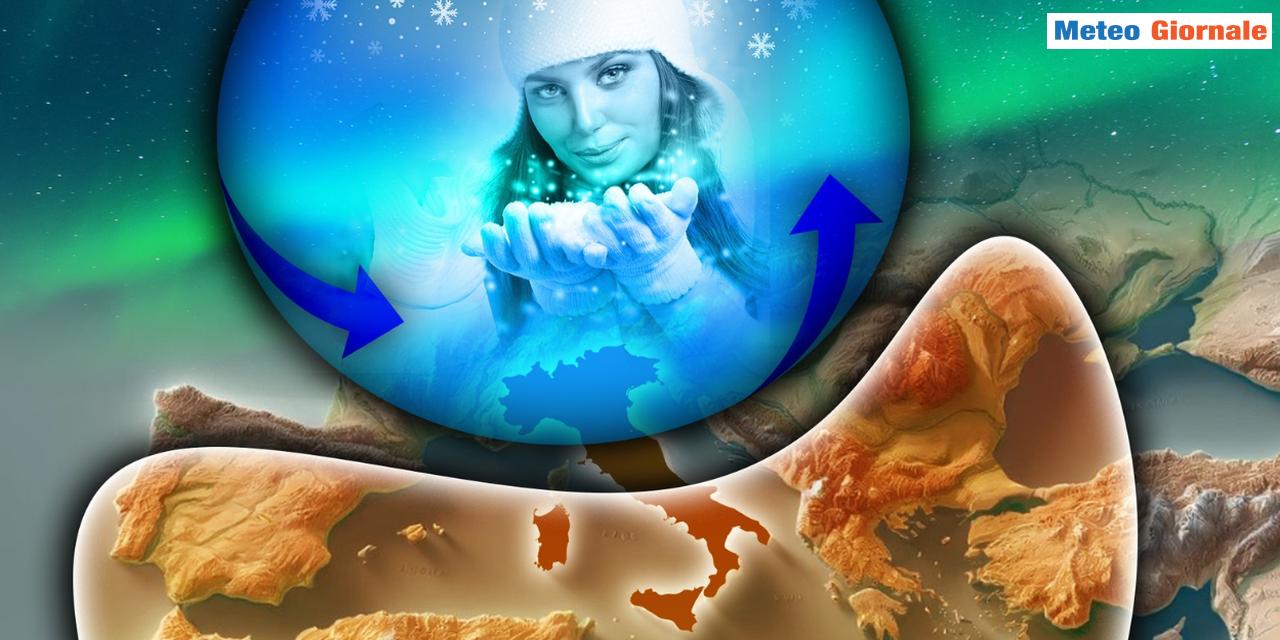
In some areas, unstable phenomena could spill over into adjacent plains, thus contributing to a moderate reduction in temperatures, making the air more breathable compared to previous days. However, the most drastic change will occur starting from Thursday, September 5, when a cyclonic vortex, arriving from the Iberian Peninsula, will head towards Sardinia, bringing with it a marked deterioration in weather conditions.
The regions of the Center and the North will be the first to be hit by this wave of bad weather, with heavy rains and thunderstorms sweeping away the summer heat.
Temperatures will undergo a real collapse, with thermal drops that could exceed 10°C in the areas most affected by the precipitation. But that’s not all: the vortex, once it reaches Sardinia, will continue its movement eastward, progressively involving all the regions of the Country.
Over the weekend, the weather deterioration will also extend to the South, where the heat will still resist for a few more days before also giving way to a further thermal drop. In short, by Sunday, September 8, the weather situation will see the consolidation of the first significant seasonal break.
This change could represent the beginning of a cooler and more unstable phase, with effects that could last for much of the following week. It will be important to follow weather updates to better understand the evolution of this situation and prepare accordingly.
 Follow our feed