The weather in January 2025 seems destined to mark a significant change compared to past winters. Snow, a rare phenomenon for many young residents of Milan and the Po Valley, could return with some intensity, changing the perception of a winter season now marked by mild winters and scorching summers.
However, forecasts remain uncertain, influenced by complex factors such as Alpine orography and global climate changes.
The climate of the Po Valley between past and present
Traditionally described as continental, the climate of the Po Valley was characterized by cold winters with frequent snowfalls and humid summers.
However, in the last ten years, the picture has changed radically. Sweltering and long summers, with temperatures often exceeding 95°F, have been accompanied by dry winters, in which snow has rarely appeared.
The reduction of fog, a typical feature of the area, has given way to another growing problem: severe air pollution, making the Po Valley one of the most polluted areas in Europe during the winter season.
The Alps and their crucial role in Italian weather
The Alps, with their imposing natural barrier, strongly influence the weather not only of the Po Valley but also of the entire Italy.
Cold air masses from Northern Europe are often deflected or dampened by the Alpine arc, thus reducing the intensity of the cold in Italian regions.
Recently, one of the most intense cold waves was pushed towards the Iberian Peninsula, causing exceptional snowfalls and freezing fog phenomena in Spain and Portugal.
In Italy, however, atmospheric dynamics make forecasts more complex.
Advanced mathematical models struggle to accurately predict the behavior of cold currents due to the variables introduced by mountainous reliefs and the proximity of the Mediterranean Sea.
Anticyclones and cold waves: a precarious balance
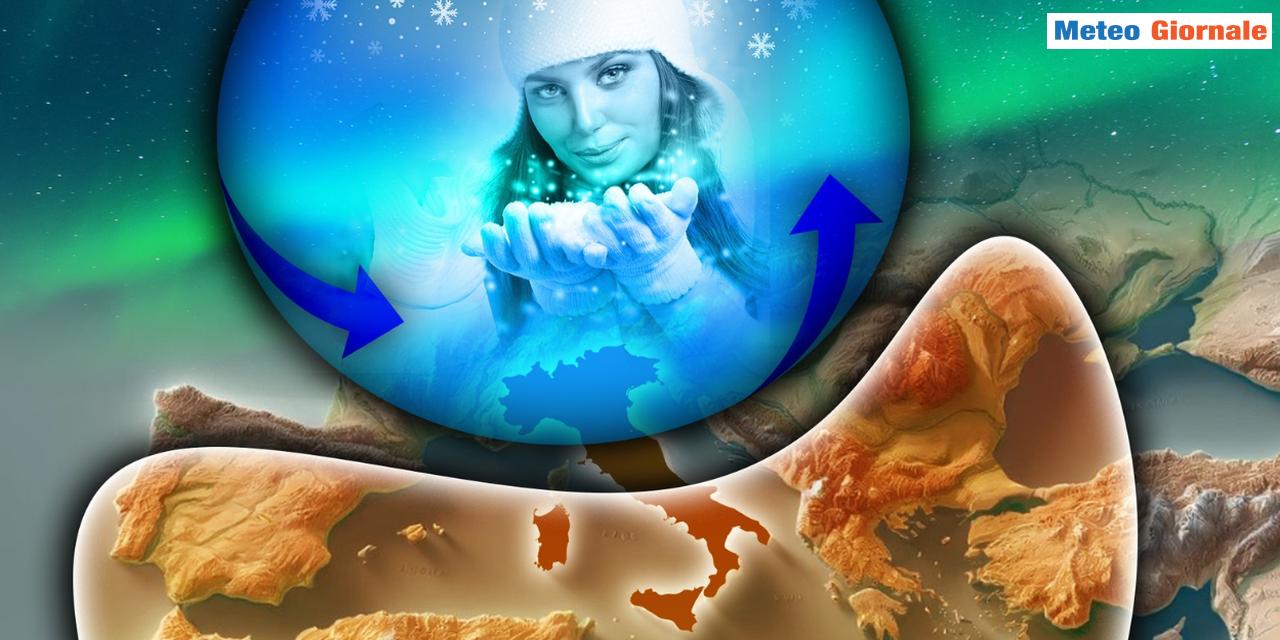
The current meteorological configuration sees a powerful anticyclone between Greenland and Iceland, capable of conditioning the entire European climate.
If this system were to move east, it could block the arrival of cold air on the continent, while a westward movement could favor the entry of icy currents into Italy.
At the same time, the influx of tropical air could abruptly interrupt the conditions favorable to snow.
In the United States and eastern Canada, an exceptional cold wave is already manifesting, but the geographical conformation of these areas, devoid of significant mountain ranges, facilitates the movement of cold currents, making forecasts much more accurate than in Europe.
Snow in Milan and the Po Valley: prospects for January
The arrival of snow in Milan and Northern Italy is linked to a scenario of intense cold and snowy disturbances that could affect much of the region.
Already this week, a first moderate event is expected, with temperatures close to freezing that could hinder the settling of snow.
However, long-term forecasts indicate the possibility of a more abundant snowfall during the month, although uncertainty remains high.
Meanwhile, recent events such as the abundant Christmas snowfalls in the Central Italy and Southern Italy regions demonstrate that climate change does not eliminate extreme phenomena but makes them more intense and unpredictable.
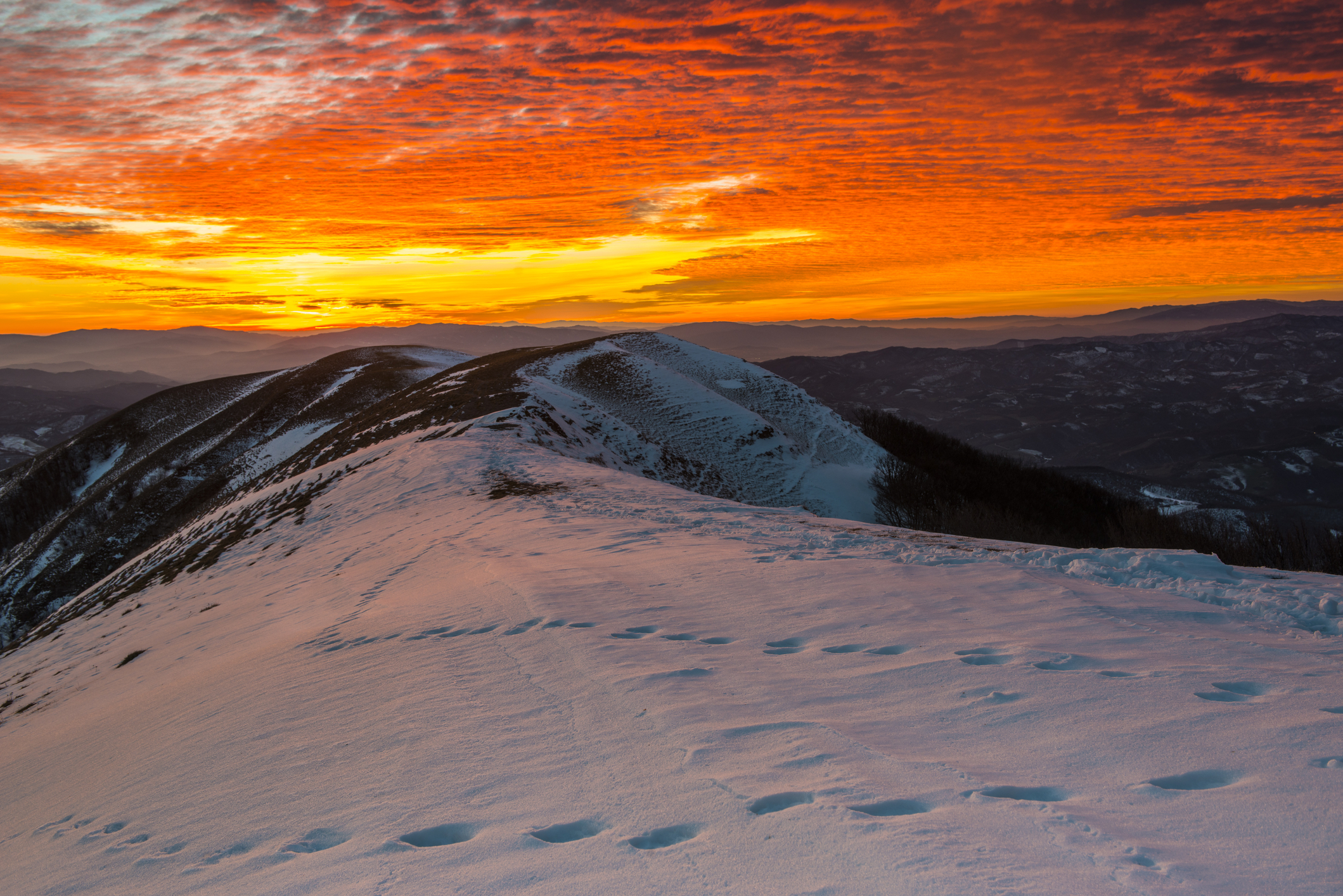
Locations in the Apennines have recorded up to 79 inches of snow in 72 hours, with temperatures well below freezing.
The implications of climate change
These episodes of intense snow do not disprove climate change but underline its effects.
Global climate variations influence the intensity and frequency of extreme events, making weather increasingly difficult to predict.
Cities like Naples, which rarely saw snow, have been affected by extraordinary snowfalls since 2018, a phenomenon that in the past occurred only once in decades. The coming weeks will be decisive in understanding whether January 2025 will mark a return of snow in grand style to Milan and the Po Valley.
For now, it remains essential to follow reliable weather updates, remembering that forecasts beyond three days can undergo significant changes because the trajectory of cold air masses can undergo sudden changes.
For this reason, the expected snow event may not materialize, or, on the contrary, be more intense than expected.
 Follow our feed