POSSIBLE WEATHER EVOLUTION IN 15 DAYS Observing the climatic weather projections, evident signs of progressive seasonal decline emerge.
The Summer, which so far has certainly not held back in delivering scorching heat, could show unequivocal cracks.
This does not mean, to be clear, that it will not be able to recover.
In this sense, some mathematical models suggest a grand return of the African Anticyclone even in the last decade of the month.
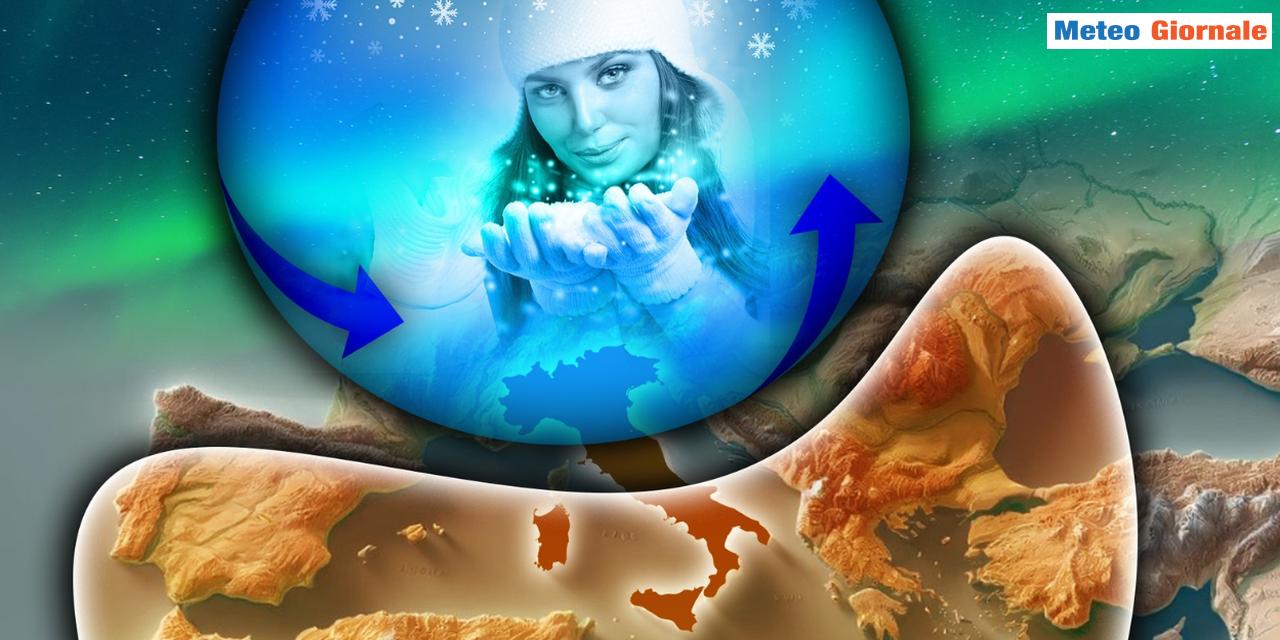
But first, as you well know, we will have to face a cyclonic transit. Fresh Atlantic air will impact the central Mediterranean, structuring a cold drop at high altitude.
This structure will determine strong atmospheric instability, meaning that the phenomena could be locally violent.
All this associated with a significant drop in temperatures.
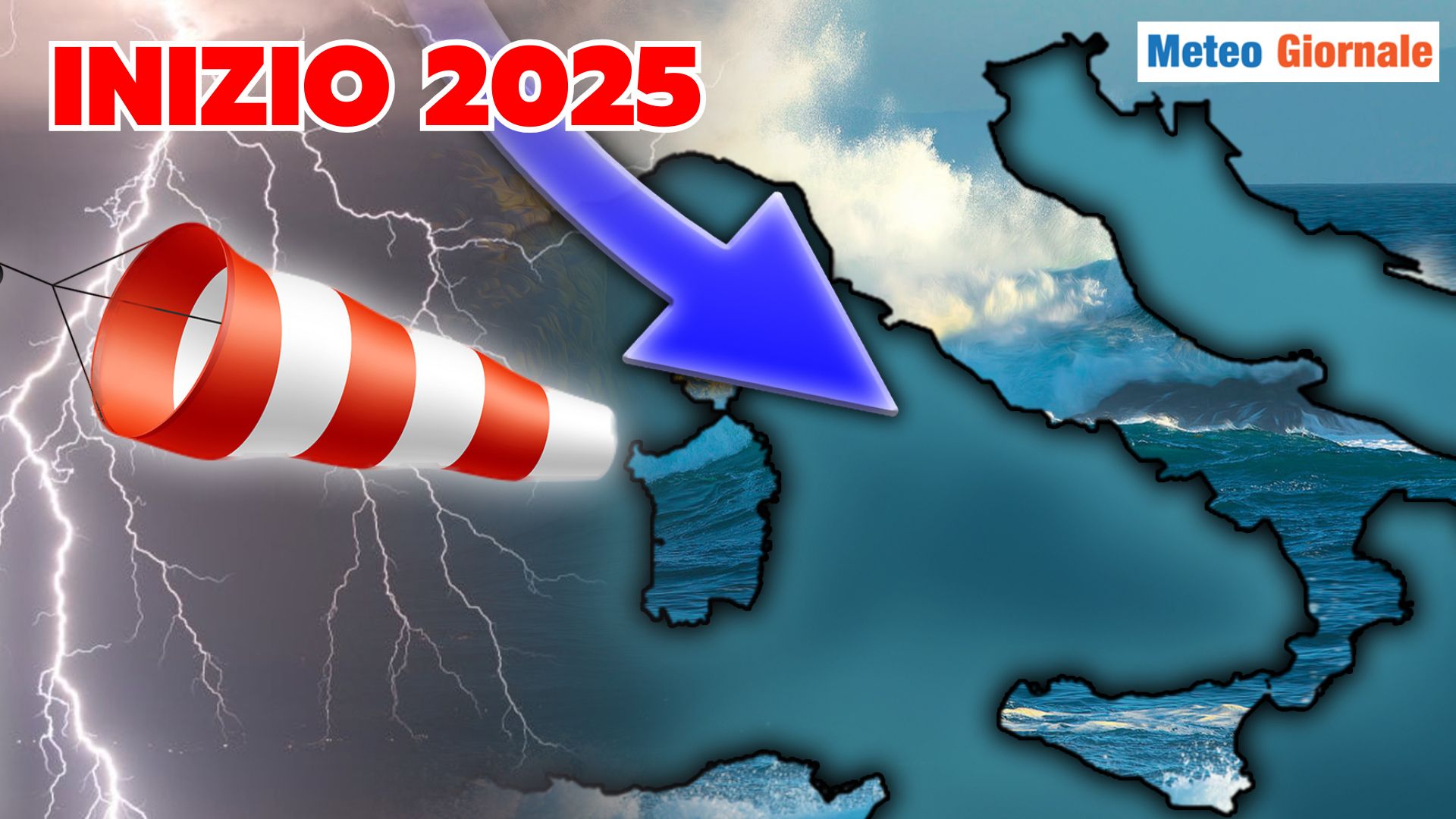
SHORT-TERM WEATHER During the Ferragosto weekend, we expect frequent atmospheric instability.
The most significant precipitation, at least initially, could concentrate in Northern Italy, the upper Tyrrhenian, and Sardinia.
These will mainly be thunderstorms, phenomena that, due to strong thermal contrasts, could release large amounts of rain in a short time.
To be clear, there could be heavy local downpours, also accompanied by hailstorms.
The phenomena could then extend to other regions, particularly along the Apennine ridge, where equally strong thunderstorms are not excluded.
A general, significant drop in temperatures is to be noted.
AUGUST TOWARDS THE END As previously mentioned, for the last decade of August, some of the most authoritative mathematical models predict a new strengthening of the African Anticyclone, with a return of intense heat.
Temperatures will again exceed seasonal averages in all regions, with peaks close to 40°C in various Italian locations.
The subtropical hot air will increase humidity levels, making the heat muggy.
IN CONCLUSION It should be noted, however, that the African hypothesis could undergo corrections in progress, and as long as the mathematical models do not find the perfect solution, we will not be able to definitively resolve the prognosis.
Remember that weather forecasts are more reliable up to 5 days, while their accuracy decreases with the increasing forecast period.
 Follow our feed